
DICTIONARY CATEGORY
Kyoto Words
A closer look at how Kyoto dialect words are used, and the background that a dictionary meaning alone can't convey.
6 entries6 entries
Kyoto Words
A closer look at how Kyoto dialect words are used, and the background that a dictionary meaning alone can't convey.
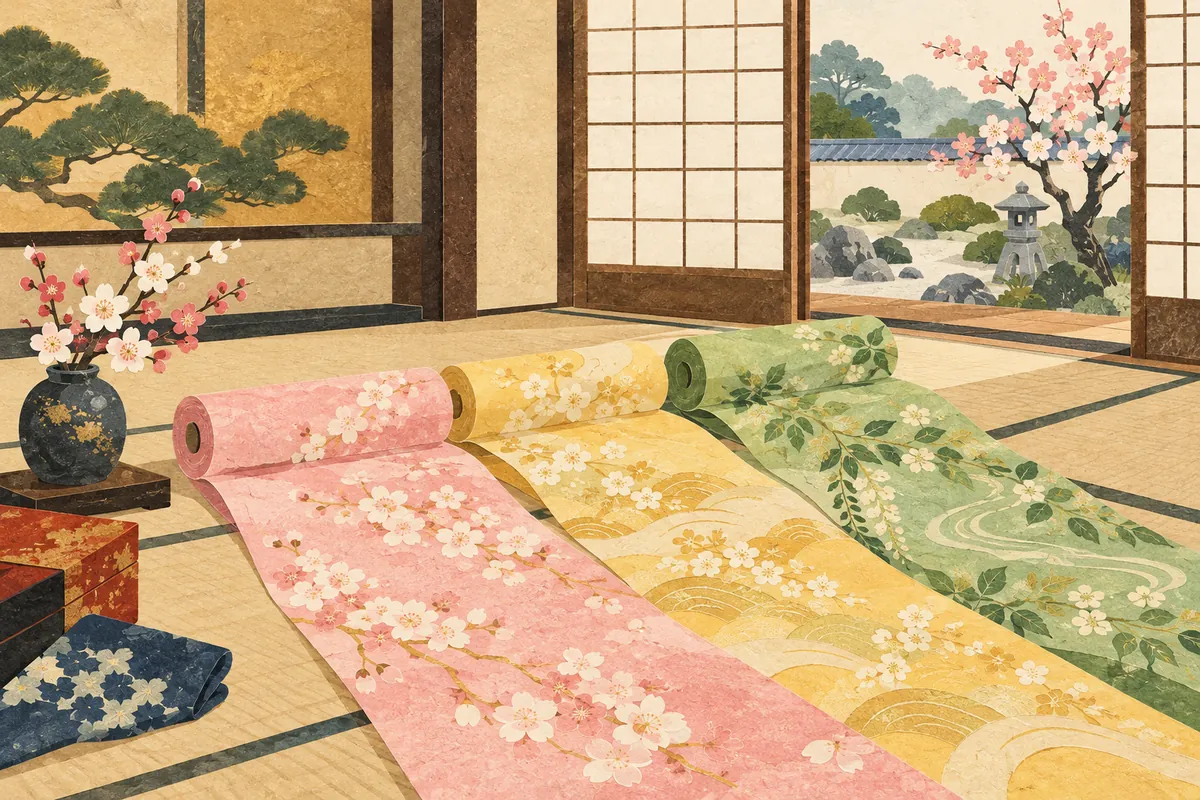
Hannari
Hannari (はんなり) is a Kyō-kotoba (Kyoto dialect) word describing something elegant, bright, and cheerful. It is said to be used most often of colors and hues. Examples appear in documents from the Muromachi period, and it is still used today, mainly in the Kyoto–Osaka region.
Read more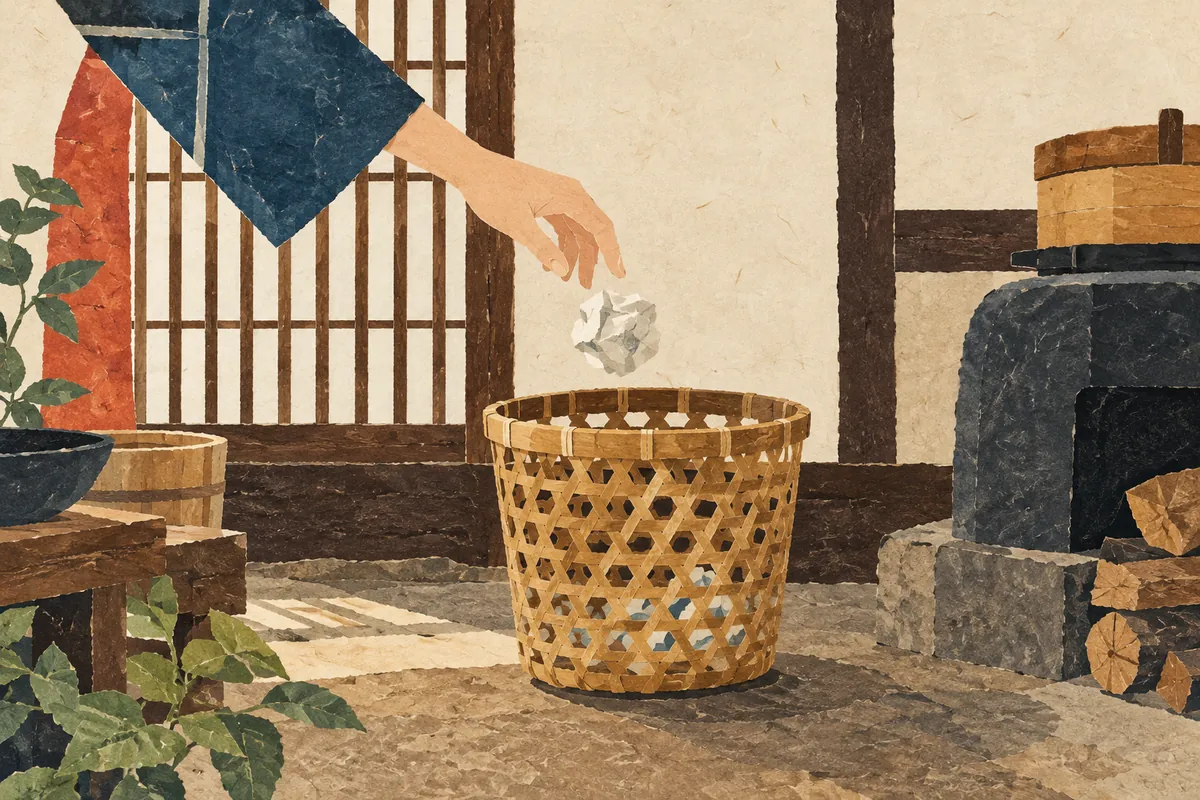
Hokasu
Hokasu (ほかす) is a Kyō-kotoba (Kyoto dialect) word meaning "to throw away." It is used as in "Sore wa hokashitara akan" (それはホカシたらあかん, "Don't throw that away"). Japanese dictionaries suggest it may have changed from hōka-su (放下す), and in an old nationwide survey it was a common expression in the central Kinki region.
Read more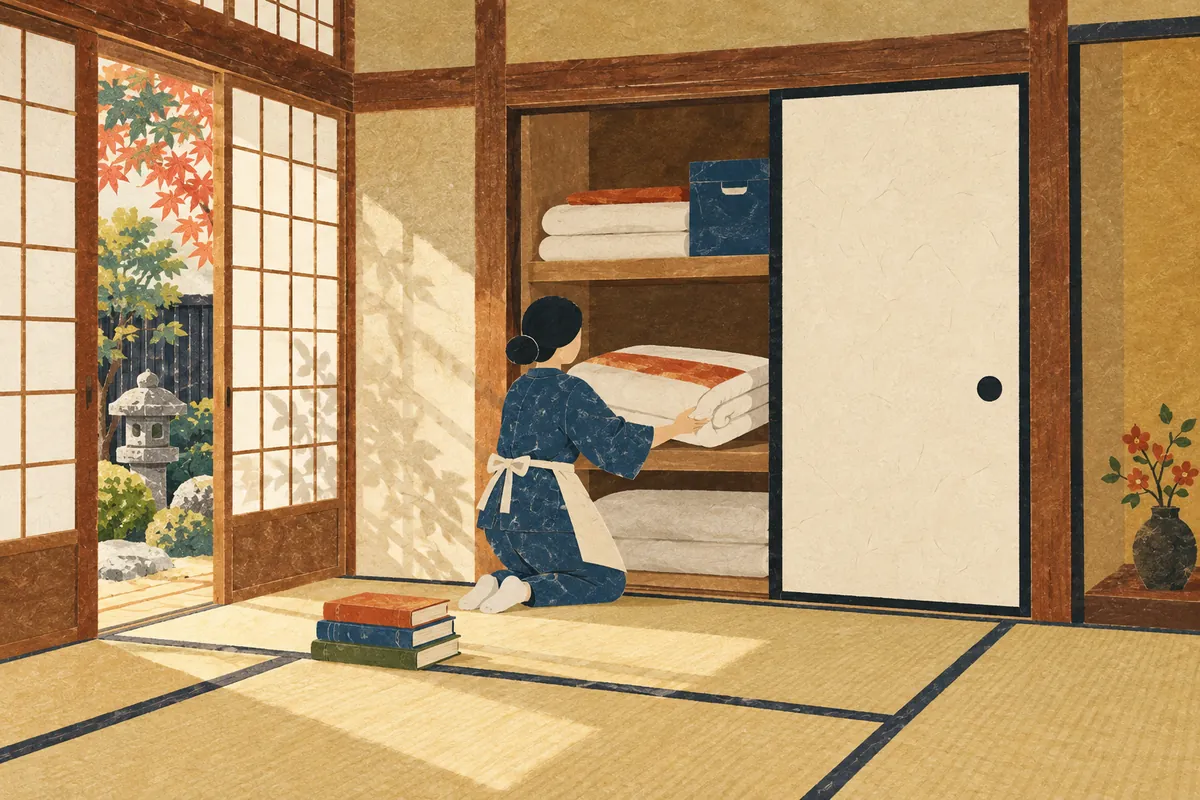
Naosu
In Kyō-kotoba (Kyoto dialect), naosu (なおす) means "to tidy up" or "to put away." It is used like this: "Sono hon, naoshi toite" (その本、ナオシといて。, "Put that book away"). Japanese dictionaries describe this as a usage of the Kinki region, Kyushu, and other areas, and an old nationwide survey also found many "I use it" answers in Kinki and Kyushu.
Read more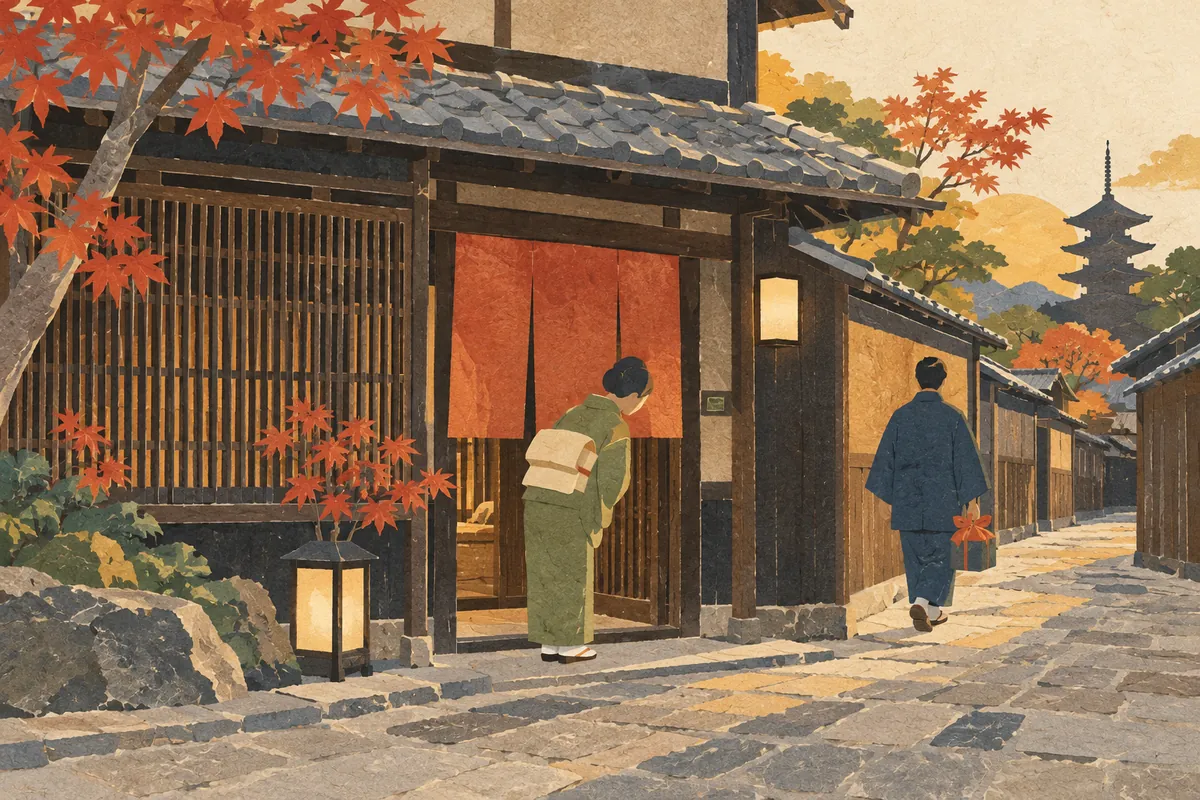
Ookini
Ōkini (おおきに) is a Kyō-kotoba (Kyoto dialect) word meaning "thank you." It is used like this: "Tōi tokoro o wazawaza ōkini" ("Thank you for coming all this way"). It was originally an adverb meaning "greatly, very much," and one theory says it became a word of thanks by shortening phrases such as ōkini arigatō ("thank you very much").
Read more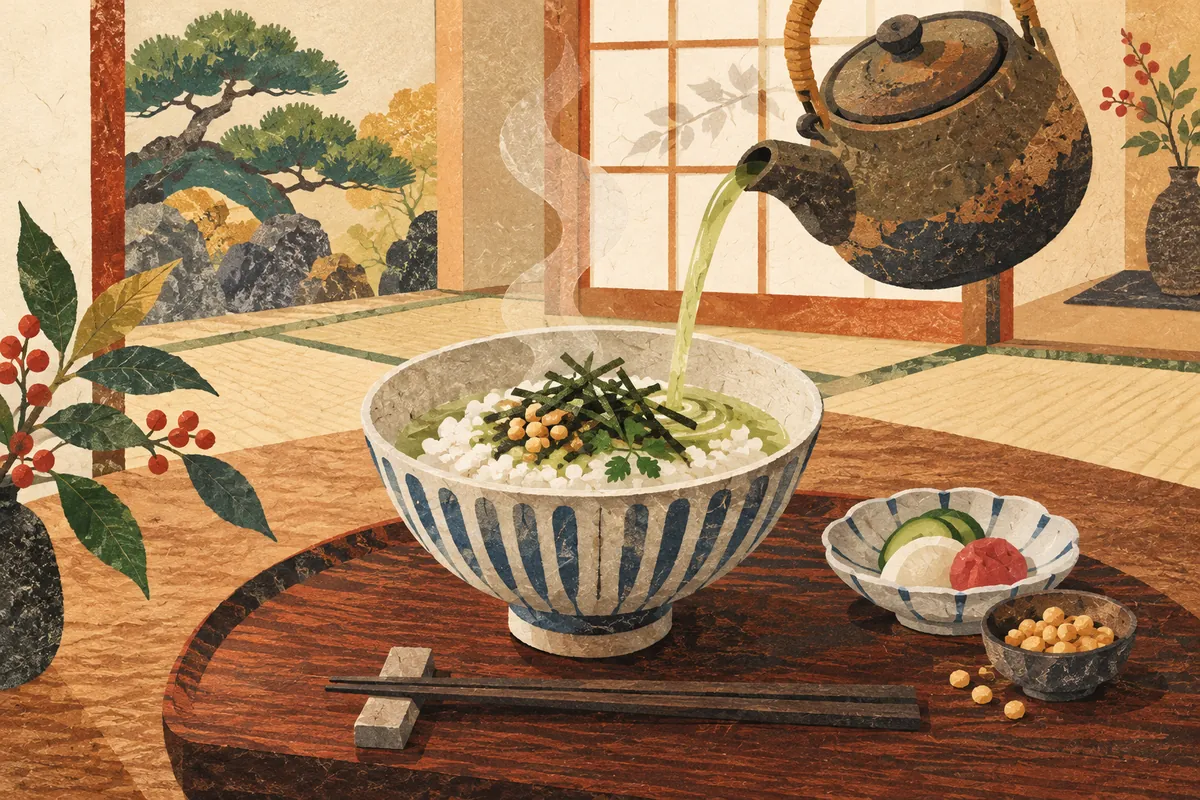
Bubuzuke
Bubuzuke (ぶぶ漬け) means ochazuke (rice with tea poured over it), and bubu (ぶぶ) is a word for tea or hot water. A well-known story says that if you are offered bubuzuke with "Bubuzuke demo dō dosu?" ("How about some bubuzuke?"), it is a signal that your host wants you to leave. However, one survey found that very few people had ever actually been told this, so it seems best to regard the story as a popular myth.
Read more
Oideyasu and Okoshiyasu
Oideyasu (おいでやす) and okoshiyasu (おこしやす) are both Kyō-kotoba (Kyoto dialect) greetings equivalent to irasshaimase, "welcome," said when receiving guests. It is sometimes explained that okoshiyasu is for eagerly awaited guests or regulars and oideyasu for first-time customers, but dictionaries treat both as the same "welcome," and the distinction is described more as a rough guide than a rule.
Read more