
Japanese藤森(ふじのもり)
Fujinomori
Other spellings and names藤ノ森 / 藤の森 / JR Fujinomori
Key points
Read Fujinomori; the stations, shrine, and town names all share this reading
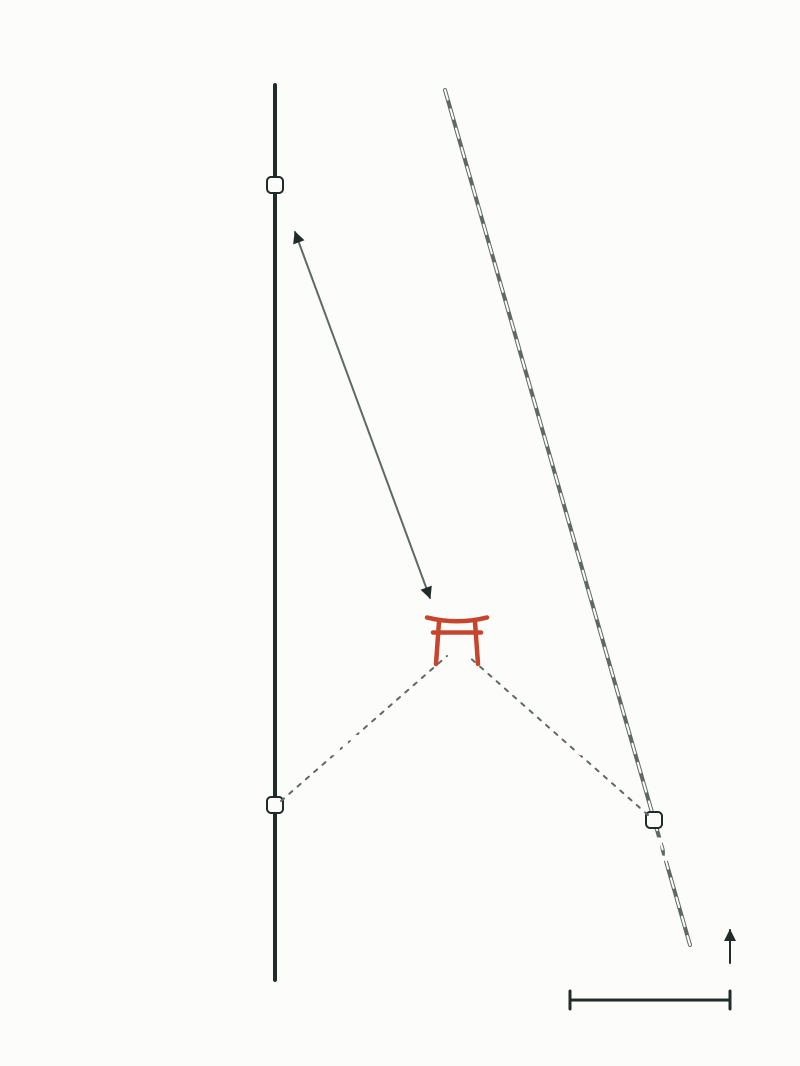
Keihan's Fujinomori Station is in Fukakusa-Gokuraku-chō, about 700 meters in a straight line from Fujinomori Shrine
Fujinomori Shrine is a 5-minute walk from JR Fujinomori Station, or 7 minutes from Keihan's Sumizome Station
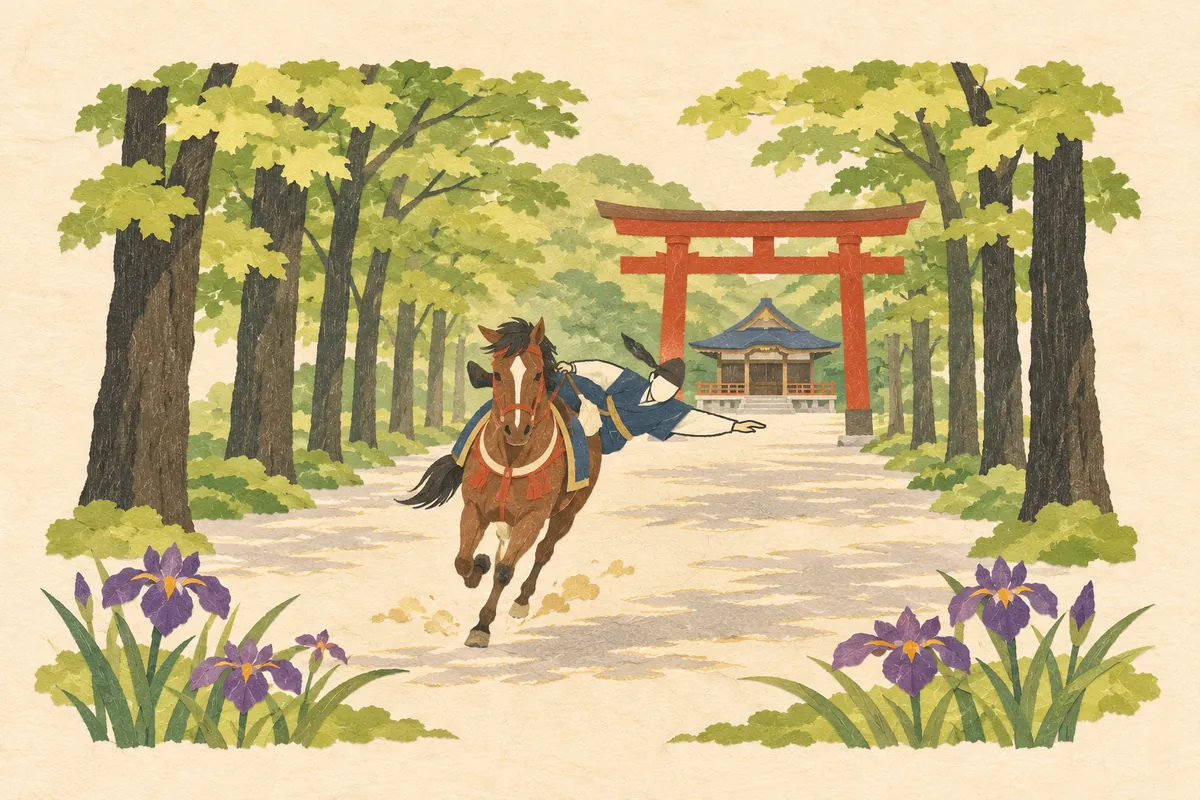
Fujinomori Shrine's Fujinomori Festival is said to be where the Iris Festival (Shōbu no Sekku) began, and the Kakeuma Shinji is offered on May 5
The reading, and the spellings 藤森, 藤ノ森, and 藤の森
藤森 is read Fujinomori (ふじのもり). It is written with two kanji, but read with a no (の) inserted between them, so when you first see it you may be tempted to read it Fujimori. The Keihan Main Line station name, the JR Nara Line station name, the name of Fujinomori Shrine, and the town names are all read Fujinomori.
The reading is the same, but the spelling differs by name. The stations, shrine, town names, and junior high school write 藤森; the elementary school and the city bus stop write 藤ノ森; and the park writes 藤の森.
Main names read Fujinomori
| Type | Spelling |
|---|---|
| Keihan Main Line station | 藤森 (station number KH32) |
| JR Nara Line station | JR藤森 (JR Fujinomori) |
| Shrine | 藤森神社 (Fujinomori Shrine) |
| Town names | 深草藤森町 (Fukakusa-Fujinomori-chō), 深草藤森玄蕃町 (Fukakusa-Fujinomori-Genban-chō) |
| Junior high school | 藤森中学校 (Fujinomori Junior High School) |
| Elementary school | 藤ノ森小学校 (Fujinomori Elementary School) |
| Bus stop | 藤ノ森 (city bus stop) |
| Park | 藤の森公園 (Fujinomori Park) |
Where Keihan's Fujinomori Station, JR Fujinomori Station, and Fujinomori Shrine are
Fujinomori Station on the Keihan Main Line (station number KH32) is between Sumizome (KH31) and Ryūkokudai-mae-Fukakusa (KH33), at 764 Fukakusa-Gokuraku-chō, Fushimi Ward. Although the station is named Fujinomori, the name of the town it stands in does not include Fujinomori.
Fujinomori Shrine (609 Fukakusa-Toriizaki-chō, Fushimi Ward) is about 700 meters south of Keihan's Fujinomori Station in a straight line. The shrine is a 5-minute walk from JR Fujinomori Station on the JR Nara Line (about 450 meters east-southeast of the shrine in a straight line); on the Keihan line, it is a 7-minute walk from Sumizome Station, the next station. From Kintetsu Takeda Station, you can take a city bus to Fujinomori Jinja-mae.
JR Fujinomori Station opened in 1997 (Heisei 9) and is located at 99 Fukakusa-Ōkamedani-Ōyama-chō (ふかくさおおかめだにおおやまちょう). The JR station name is written with JR at the front, as JR藤森, and is also read that way: Jeiāru Fujinomori (じぇいあーるふじのもり).
Fujinomori Shrine and three stations
Fujinomori in town names
Fushimi Ward has two town names containing 藤森: Fukakusa-Fujinomori-chō (ふかくさふじのもりちょう) and Fukakusa-Fujinomori-Genban-chō. Both are in the school zone of Fujinomori Elementary School (藤ノ森) and Fujinomori Junior High School (藤森), as is Fukakusa-Toriizaki-chō (ふかくさとりいざきちょう), where Fujinomori Shrine stands. Fukakusa-Gokuraku-chō, where Keihan Fujinomori Station is, is in the school zone of Fukakusa Elementary School and Fukakusa Junior High School (as of April 2025).
Fukakusa-Fujinomori-chō is on the east side of the shrine and Fukakusa-Fujinomori-Genban-chō on the west side, and Kyoto University of Education's address is also Fukakusa-Fujinomori-chō.
"The land of Fujinomori" in the shrine's history
The shrine's own traditions say that it began when Empress Jingū, after returning from Silla, in the third year of her regency (203), chose the land of Fujinomori in the village of Fukakusa in Yamashiro Province as a sacred site, raised the great banner of her army, built a mound in which to lay weapons, and worshiped the gods there. The Hata-zuka (banner mound) on the east side of the main hall is said to be that mound. Even in the shrine's traditions, Fujinomori is told as the name of the land.
Today's Fujinomori Shrine is said to have been formed by combining three shrines that stood nearby. Prince Toneri and other deities enshrined in the eastern hall of the main sanctuary were originally enshrined at Fujio in Fukakusa (the site of today's Fushimi Inari Taisha), and are said to have been moved to Fujinomori when, in 1438 (Eikyō 10), the shrines on Mount Inari were moved down to Fujio at the foot of the mountain.
The Iris Festival and the Kakeuma Shinji
The Fujinomori Festival (Fukakusa Festival), held every May 5, is regarded as the festival where Shōbu no Sekku (the Iris Festival) began. It is said that this view arose in the Edo period because the sound shōbu (菖蒲, iris) overlaps with shōbu (尚武, valuing martial spirit) and shōbu (勝負, victory or defeat).
There is a shrine tradition that May 5 corresponds to the day of the horse in the month of the horse in the old calendar. Because the Kakeuma Shinji (かけうましんじ, a horseback ritual) is held on this day and the shrine protects Rakunan, which lies in the direction of the horse (south), Fujinomori Shrine is also known as a deity that protects horses. Today it is visited as a protector in contests and of horses, including by people involved in horse racing and those born in the Year of the Horse.
Unlike a race that compares horses' speed, the Kakeuma Shinji is also thought to descend from the trick riding that was fashionable in the Edo period. Galloping along the riding ground of the approach to the shrine, riders show feats such as ichiji-gaki, writing the character 寿 (kotobuki, "long life"), as well as tazuna-kuguri (slipping under the reins), fuji-sagari (hanging down like wisteria), and tachi-nori (riding standing up). It became a Registered Intangible Folk Cultural Property of Kyoto City in 1983 (Shōwa 58). In 2026, the Fujinomori Festival ran from May 1 to 5, and the Kakeuma Shinji was performed twice on the 5th, at 1 p.m. and 3 p.m.
Mini quiz for this entry
In the Kakeuma Shinji horseback ritual at the Fujinomori Festival on May 5, what is the feat of writing the character 寿 while riding called?
Sources and verification
Content checked: November 8, 2026
Updated: November 8, 2026
References are in Japanese.