
Differences Between National Treasures, Important Cultural Properties, Registered Tangible Cultural Properties, and City Designations
Key points
National Treasures are not a separate category but a subset of Important Cultural Properties
Registration generally covers buildings over 50 years old and carries lighter controls than permit-based designation
The Okazaki landscape and townscapes such as Sannenzaka were "selected" by the state at local request
"Living National Treasure" is not a legal term but the common name for individually recognized holders of Important Intangible Cultural Properties
The six categories of cultural properties
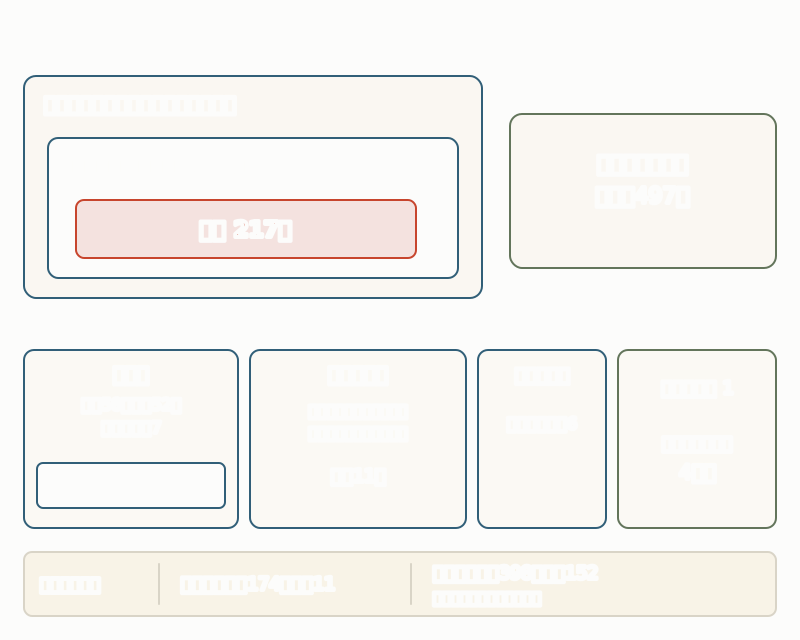
The Law for the Protection of Cultural Properties divides cultural properties into six types: tangible cultural properties, intangible cultural properties, folk cultural properties, monuments, cultural landscapes, and groups of traditional buildings. The national government designates, selects, or registers the important ones among these for priority protection. Buried cultural properties in the ground and the techniques used for repair (conservation techniques for cultural properties) are also protected. Cultural landscapes and groups of traditional buildings are "selected" rather than "designated": the national government selects them on the basis of proposals from local governments. In Kyoto City these are the "Cultural Landscape of Kyoto Okazaki" (selected in 2015) and the townscapes of Sannenzaka, Gion Shinbashi, Saga Toriimoto, and Kamigamo.
A national designation, selection, or registration is made after the Minister of Education, Culture, Sports, Science and Technology consults the Council for Cultural Affairs and receives its recommendation. At the recommendation stage the property is only a candidate; it becomes officially designated when the notice appears in the official gazette. Once designated, changes to its current state are restricted, but the national government provides subsidies for repairs and the like.
Categories of Cultural Properties and How Designation and Registration Work
Designation of tangible cultural properties
Tangible cultural properties are divided into buildings and "works of art and craft," which cover paintings, sculpture, craft objects, calligraphy, classical books, historical documents, archaeological materials, and historical materials. The national government designates the important ones as Important Cultural Properties, and then designates those of especially high value from the standpoint of world culture as National Treasures. For buildings, the standard for a National Treasure is "an Important Cultural Property that is exceptionally outstanding and of especially deep significance in cultural history."
Because a National Treasure is also an Important Cultural Property, the count of Important Cultural Properties includes the National Treasures.
Registered Tangible Cultural Properties are "protected loosely"
The Registered Tangible Cultural Property system was created by an amendment to the Law for the Protection of Cultural Properties that took effect on October 1, 1996. Whereas the designation system strictly selects important properties and gives them strong regulation through permits and generous protection, the registration system offers looser protection based on notification, guidance, and advice, and complements the designation system.
As a rule, eligible buildings are those completed 50 years or more ago, and a building can be registered if it meets any one of three criteria: it contributes to the historical landscape of the country, it serves as a model of design, or it would be difficult to reproduce. In Kyoto City, the registered buildings are mostly from the modern era.
Historic Sites, Places of Scenic Beauty, Natural Monuments, and the "Special" grade
"Monuments" is the collective term for remains such as shell mounds, ancient tombs, and castle sites; scenic places such as gardens, gorges, and mountains; and animals, plants, and geological and mineral features. The national government designates the important ones as Historic Sites, Places of Scenic Beauty, or Natural Monuments, and the especially important ones as Special Historic Sites, Special Places of Scenic Beauty, or Special Natural Monuments. Kyoto City's Natural Monuments include the biological community of Midoro-ga-ike Pond.
Intangible Cultural Properties and "Living National Treasures"
Intangible cultural properties are the skills themselves, in fields such as theater, music, and craft techniques. When the national government designates an important one as an Important Intangible Cultural Property, it at the same time recognizes the people who embody the skill at a high level as holders, and groups as holding organizations. A holder recognized as an individual (individual recognition) is what is popularly called a "Living National Treasure." It is a common name rather than a legal term, and the holder receives a special grant of 2 million yen a year from the national government.
For a long time there were only two fields, performing arts and craft techniques, but a recommendation by the Council for Cultural Affairs on October 24, 2025, added "lifestyle culture," which was announced in the gazette in December of that year. On October 16, 2026, the first recommendations in this field were made, to recognize Ikenobō Sen'ei for rikka flower arrangement and Takahashi Eiichi for Kyoto kaiseki cuisine (both of Kyoto City), and Nōguchi Naohiko of Ishikawa Prefecture for ginjō sake brewing, as holders.
The prefecture and the city also designate and register
Cultural properties that are not nationally designated can be designated or registered by prefectures and municipalities under their own cultural property protection ordinances. Nationwide there are 123,557 such properties, 22,635 of them by prefectures (as of May 1, 2026).
Under the Kyoto City Cultural Properties Protection Ordinance, Kyoto City treats the properties it designates and registers as "Kyoto City Cultural Properties," and it has also designated 11 cultural property environment conservation areas to protect their surroundings. Kyoto Prefecture, besides designation and registration, has its own system of "provisional registration."
Mini quiz for this entry
Which statement correctly describes the Registered Tangible Cultural Property (buildings) system?
How much is the special grant the national government gives each year to individually recognized holders of Important Intangible Cultural Properties (so-called "Living National Treasures")?
Sources and verification
Content checked: October 17, 2026
Updated: October 17, 2026
References are in Japanese.
- 文化庁「文化財の紹介 概要」
- 文化庁「国宝・重要文化財(建造物)」
- 文化庁「登録有形文化財(建造物)」
- 文化庁「有形文化財(美術工芸品)」
- 文化庁「無形文化財」
- 文化庁「記念物」
- 文化庁「文化的景観」
- 文化庁「伝統的建造物群保存地区」
- 文化庁「重要伝統的建造物群保存地区一覧」
- 文化庁「都道府県・市町村指定等文化財の件数」
- 文化庁「文化財指定等の件数」
- 文化庁「文化審議会の答申(重要無形文化財(生活文化)の指定・認定基準等)」(令和7年10月24日)
- 文化庁「文化審議会の答申(重要無形文化財の指定及び保持者の認定)」(令和8年10月16日)
- 秋田魁新報「人間国宝の認定枠を拡大 生活文化から最多で10人」(2025年12月24日)
- 京都市文化財保護課「京都市内文化財件数(令和8年4月1日現在)」
- 京都市文化財保護課「文化財の種類」
- 京都市文化財保護課「国・登録有形文化財」
- 京都市文化財保護課「記念物ガイド」
- 京都市文化財保護課「京都岡崎の文化的景観」
- 京都市文化財保護課「京都市指定・登録文化財データベースの開設」
- 京都市「京都の庭園文化」
- 京都府教育庁文化財保護課「京都府指定・登録等文化財の紹介」