
DICTIONARY CATEGORY
Temples, Shrines & Cultural Properties
Read the beauty and faith handed down in Kyoto through temple and shrine architecture, gardens, paintings and old documents.
8 entries8 entries
Temples, Shrines & Cultural Properties
Read the beauty and faith handed down in Kyoto through temple and shrine architecture, gardens, paintings and old documents.
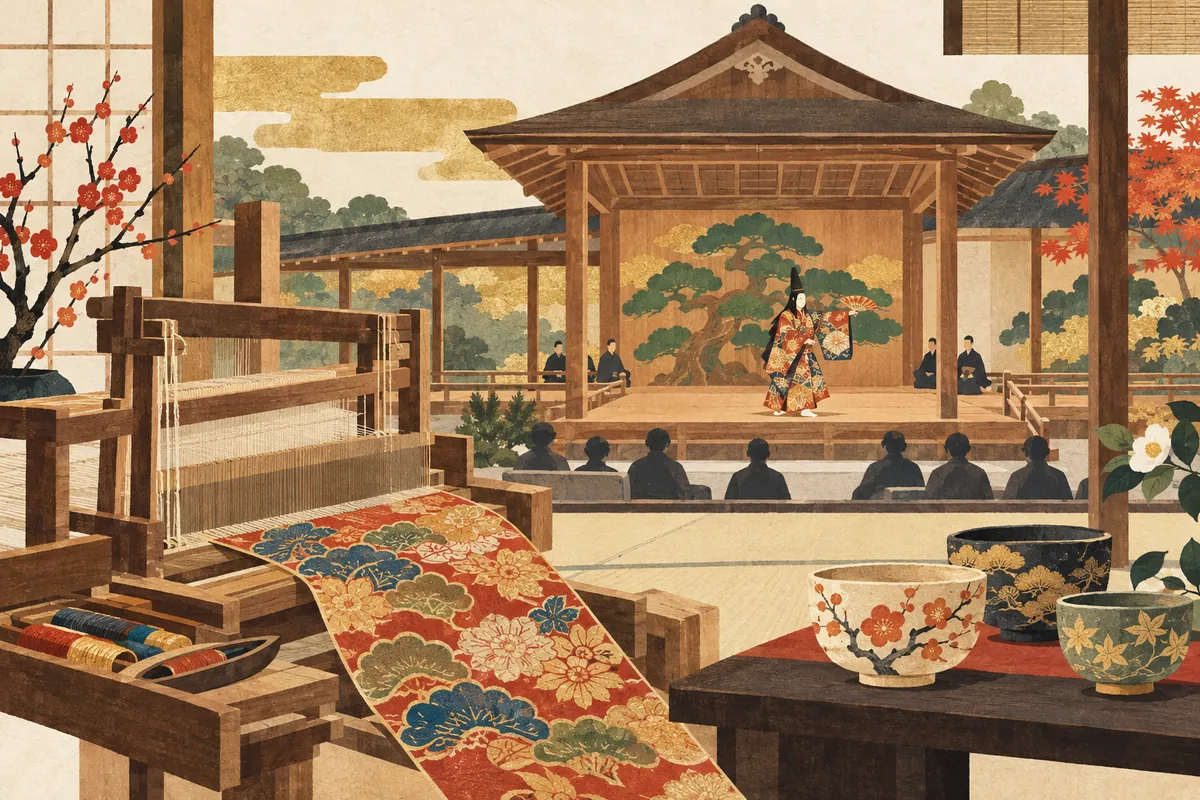
How Nōgaku, Nishijin-ori, and Kyō-yaki Are Connected
Kyoto's traditions extend beyond the performing arts to the textiles that adorn stage costumes and the vessels of everyday life. Nōgaku, Nishijin-ori, and Kyō-yaki/Kiyomizu-yaki are examples of skills and aesthetics handed down across generations.
Read more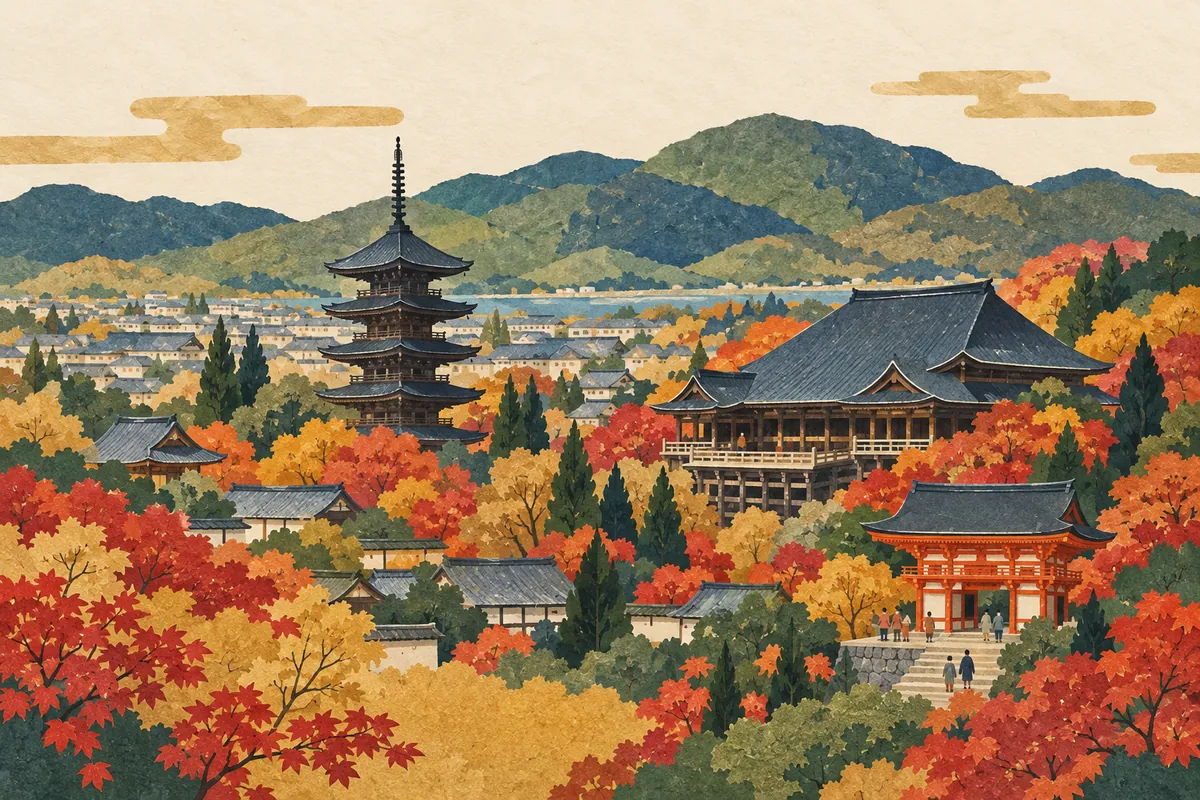
Historic Monuments of Ancient Kyoto: The 17 Component Sites
The World Cultural Heritage Site "Historic Monuments of Ancient Kyoto" is made up of 17 temples, shrines, and a castle—14 in Kyoto City, 2 in Uji City, and 1 in Ōtsu City, Shiga Prefecture—and was inscribed in 1994. It includes 198 buildings and 12 gardens, and all the sites except Nijō Castle are religious sites.
Read more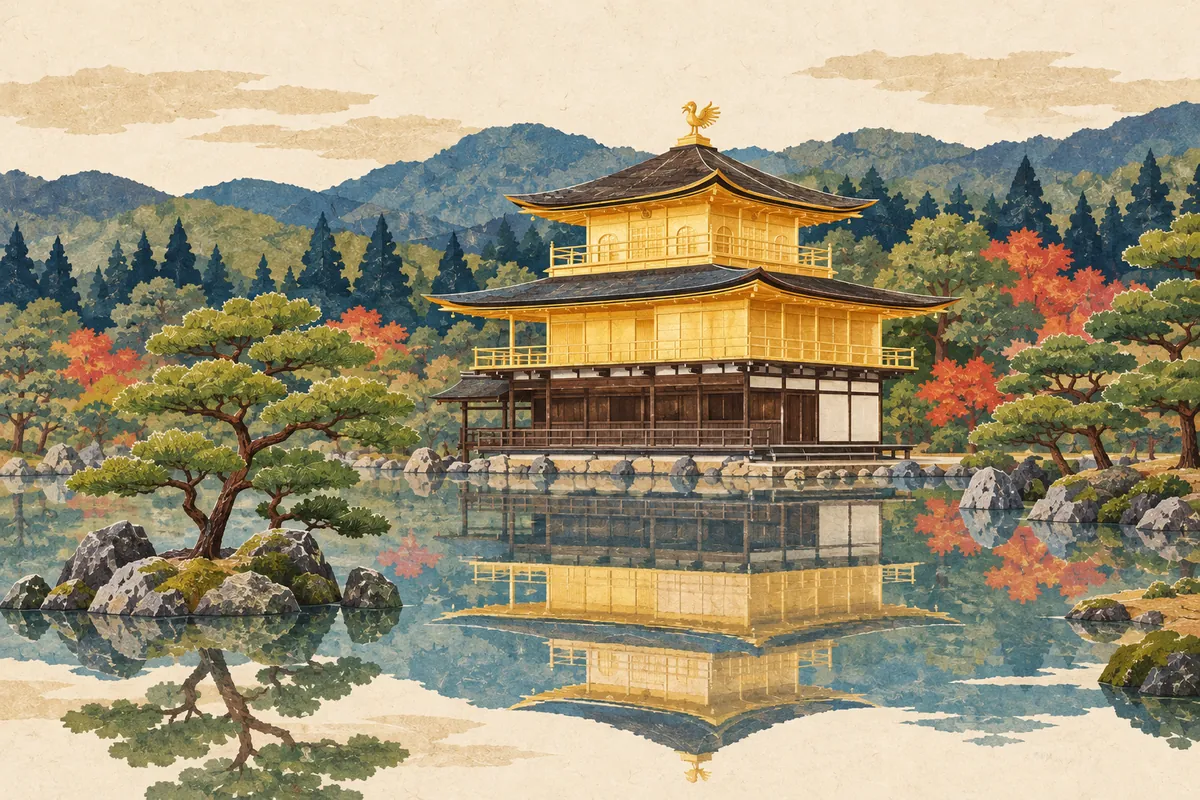
Kinkaku and Rokuon-ji: A Three-Story Building in Three Styles
The official name of Kinkaku-ji is Rokuon-ji. It began when Ashikaga Yoshimitsu started building his mountain villa, Kitayama-dono, in 1397 on land that had been a villa of the Saionji family in the Kamakura period, and its reliquary hall, Kinkaku (the Golden Pavilion), stacks a different architectural style on each story. Today's Kinkaku is a building reconstructed in 1955 after it burned down in 1950.
Read more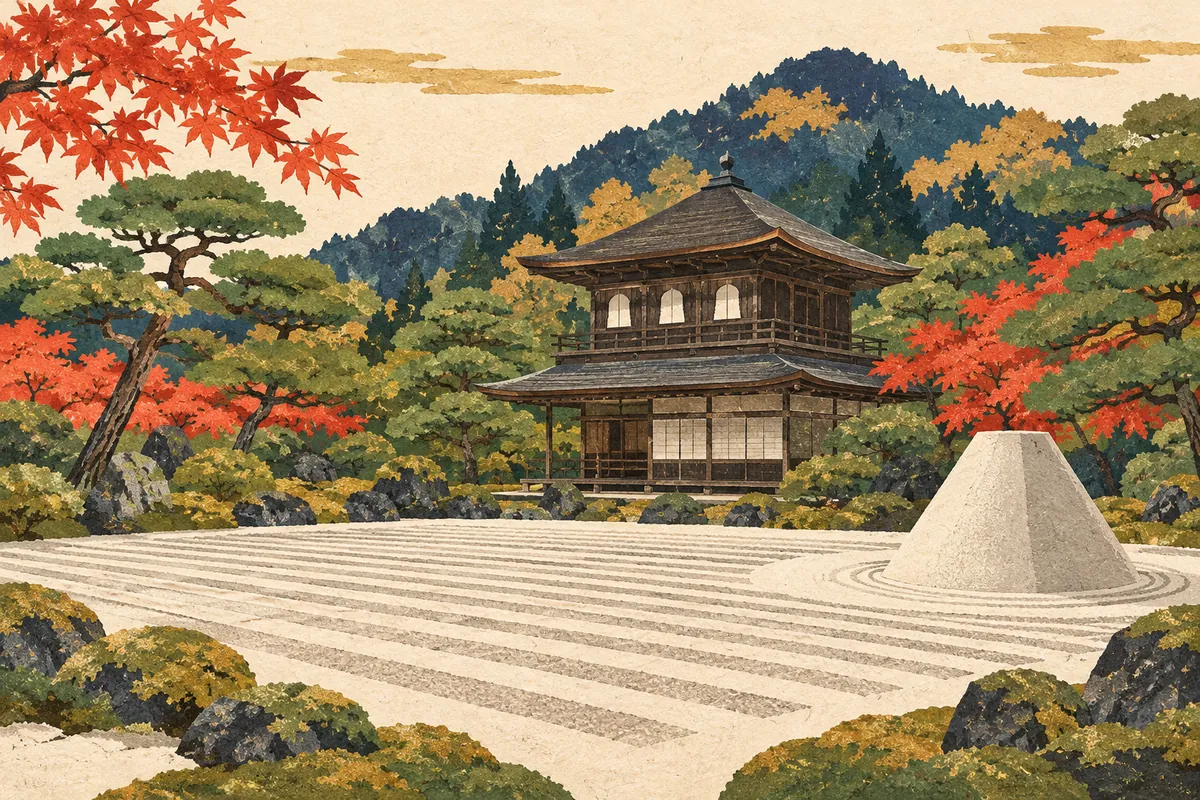
Ginkaku-ji (Jishō-ji) and Higashiyama Culture
The formal name of Ginkaku-ji (the Silver Pavilion temple) is Jishō-ji. It began when Higashiyama-dono, the mountain villa that Ashikaga Yoshimasa began building in 1482, was converted into a Zen temple after his death. The aesthetic of Higashiyama culture shows in the National Treasures Ginkaku (Kannon-den) and Tōgu-dō, and in a garden with the sand mounds Ginshadan and Kōgetsudai.
Read more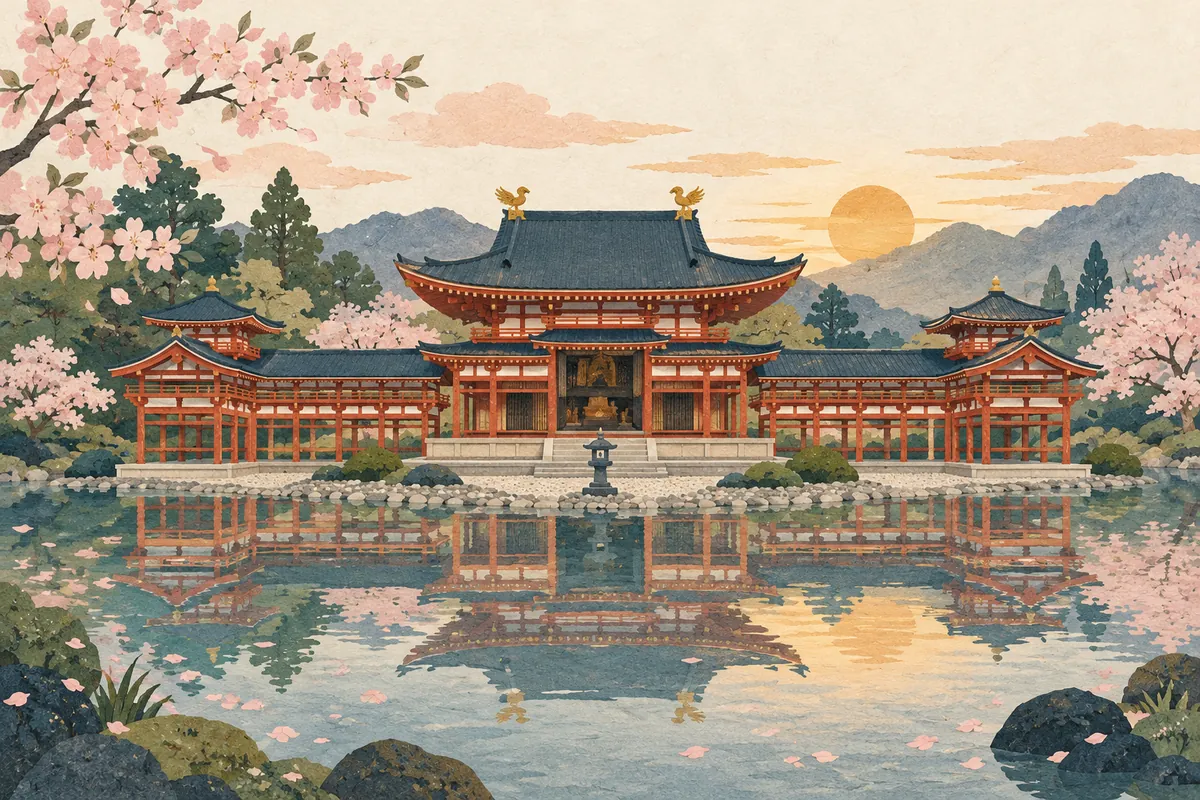
Byōdō-in's Phoenix Hall and Its Vision of the Pure Land
Byōdō-in's Phoenix Hall (Hōōdō) in Uji is an Amida hall completed in 1053 by Fujiwara no Yorimichi. In 1052, the year said to mark the start of mappō (the age of the decline of the Buddhist Law), he turned his villa into a temple and built the hall so that the Pure Land of Paradise would seem to lie to the west, across the pond. The seated Amida Nyorai by Jōchō and the statues of the Unchū Kuyō Bosatsu express the longing for rebirth in the Pure Land.
Read more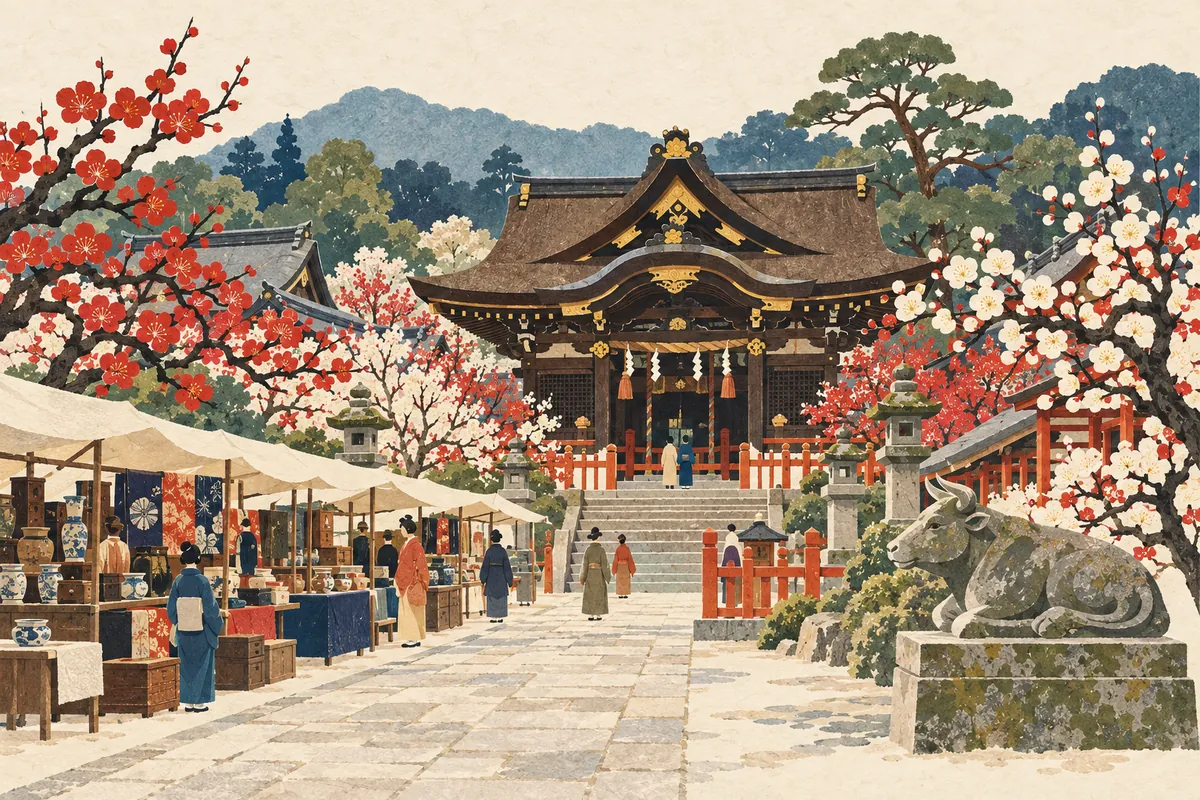
Kitano Tenmangu and Tenjin-san on the 25th
Kitano Tenmangū enshrines Sugawara no Michizane and is the head shrine of about 12,000 Tenmangū and Tenjin shrines across Japan. It is said to have been founded in 947 at Kitano, northwest of Heian-kyō. The Tenjin Market on the 25th of every month reflects the dates of Michizane's birth and death, and the current main hall was built by Toyotomi Hideyori.
Read more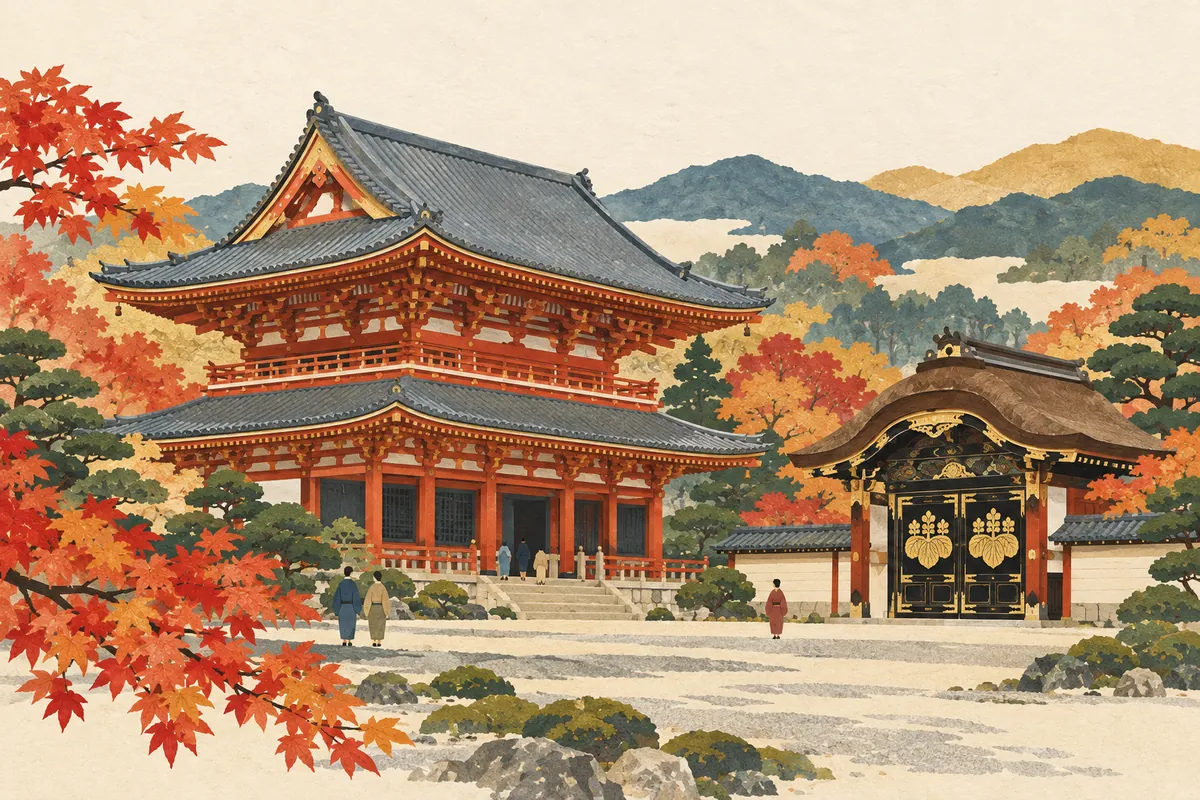
Tō-ji Kondō, Sanbō-in Karamon, and Nanzen-ji Hōjō
Kyoto's National Treasure buildings are distinctive not only in appearance but also in how they blend several styles, in their roofing materials, and in their histories of relocation. The Kondō of Tō-ji, the Karamon gate of Daigo-ji's Sanbō-in, and the Hōjō of Nanzen-ji all date from around the Momoyama period, and comparing their histories of rebuilding, relocation, and reuse reveals the time each building has lived through.
Read more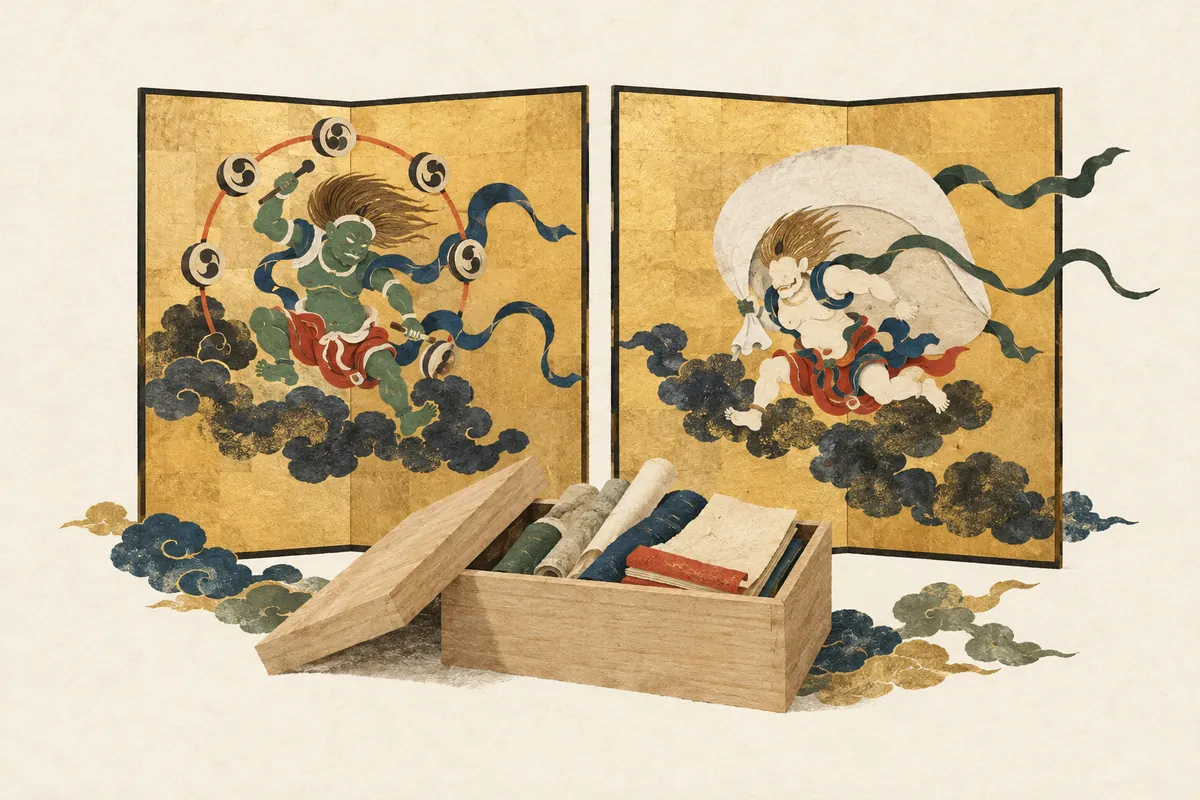
The Tōji Hyakugō Documents and the Wind God and Thunder God Screens
Kyoto's cultural properties are not only buildings. The Tōji Hyakugō Documents (Tōji Hyakugō Monjo) preserve more than 20,000 medieval records and were inscribed on UNESCO's Memory of the World Register in 2015. The Wind God and Thunder God screens were passed down from Tawaraya Sōtatsu's National Treasure to Ogata Kōrin's copy, and comparing them reveals differences in composition.
Read more