
DICTIONARY CATEGORY
Annual Events
Festivals and events rooted in the town's calendar, introduced along with the turning seasons.
9 entries9 entries
Annual Events
Festivals and events rooted in the town's calendar, introduced along with the turning seasons.
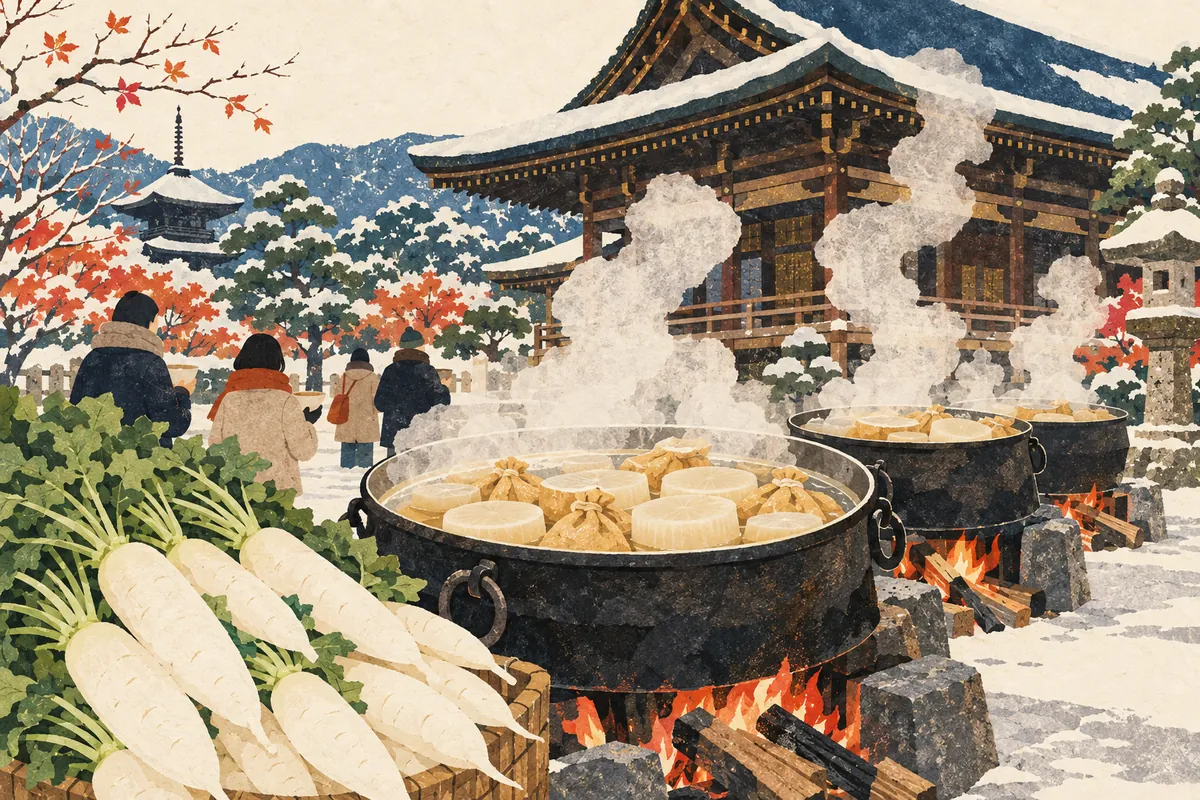
Daiko-daki
Daiko-daki (大根焚き) is an event held at Kyoto temples, mainly in December, in which daikon radishes that have been blessed with prayers are simmered in huge pots and served to worshippers. It is said that eating them protects you from chūbu (stroke). At Senbon Shaka-dō (Daihōon-ji) it is held every year on December 7 and 8 to coincide with the Jōdō-e, and in 2026 it is scheduled for Monday, December 7, and Tuesday, December 8.
Read more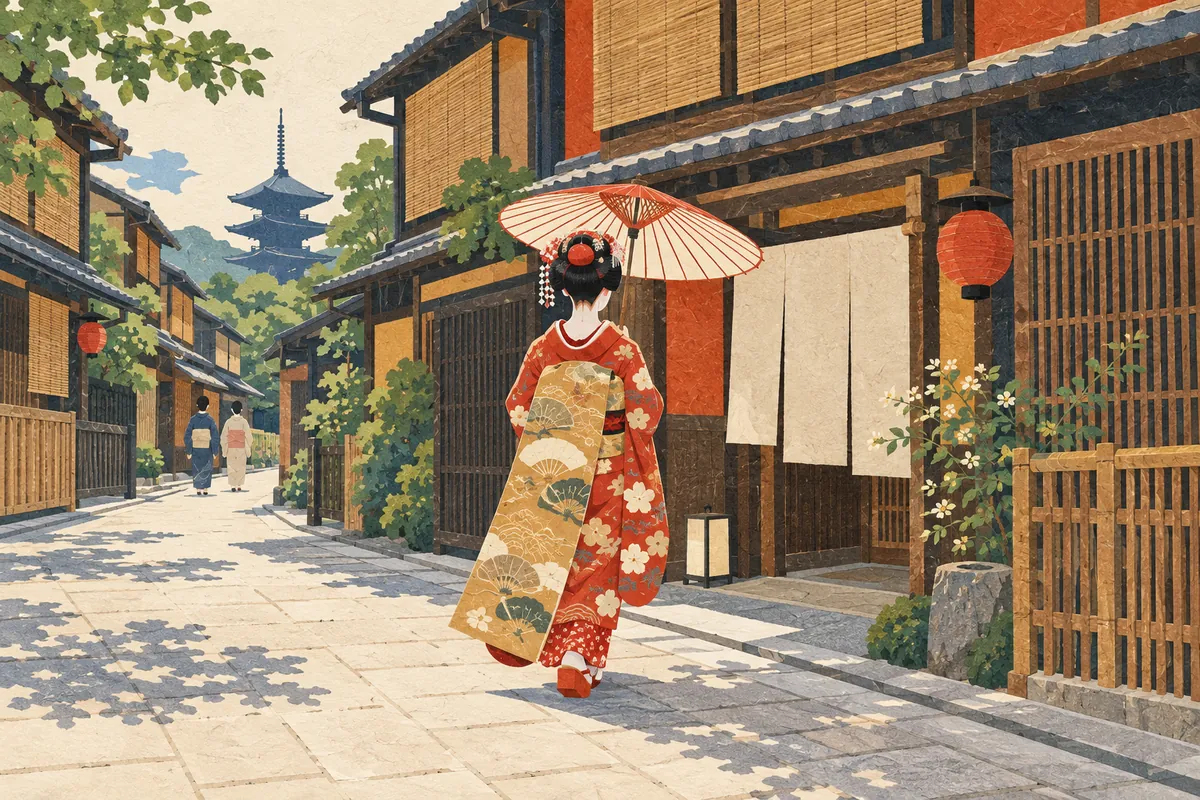
Hassaku
Hassaku (八朔) is short for hachigatsu sakujitsu (八月朔日, "the first day of the eighth month")—that is, August 1. In Kyoto's kagai (geisha districts), it is handed down as an event in which geiko and maiko visit their teachers of the arts and the teahouses (ochaya) on this day to express their thanks for everyday support. It is said to have spread from a farmers' custom of presenting the first rice of the harvest to benefactors.
Read more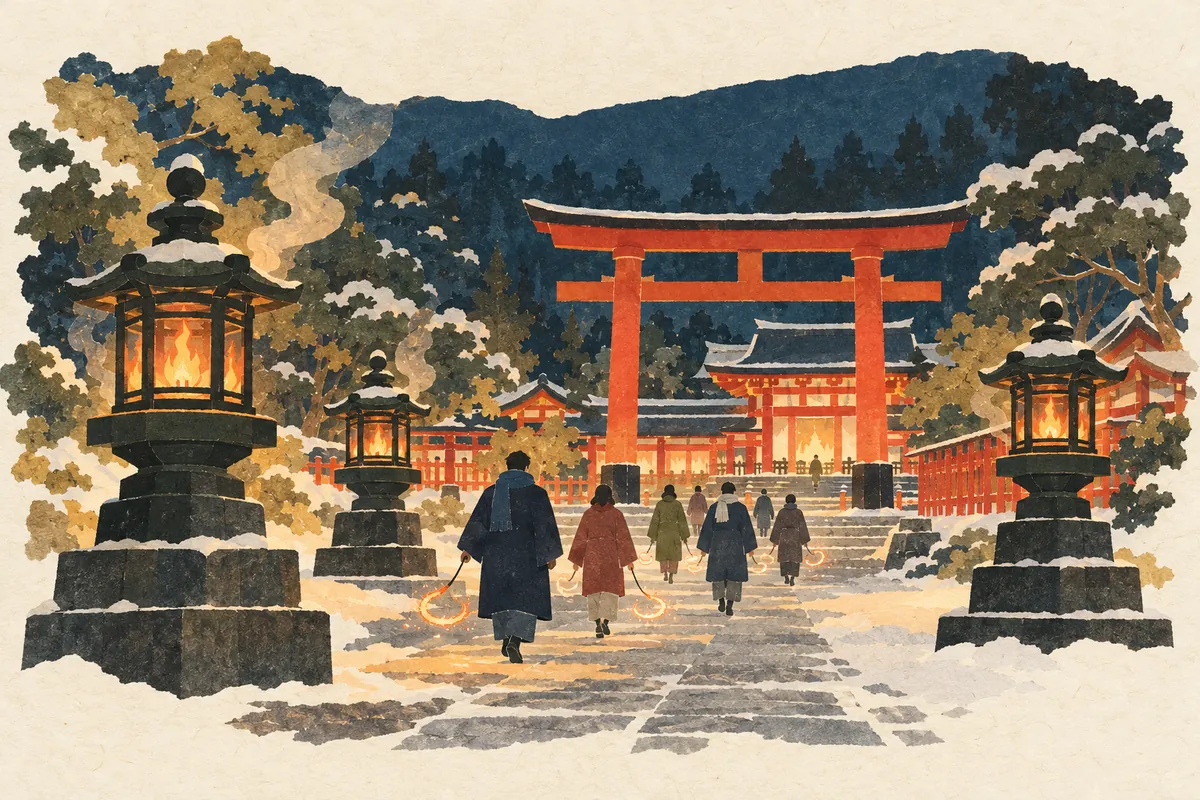
Okera-mairi
Okera-mairi (をけら詣り) is a year-end event held at Yasaka Shrine from the night of New Year's Eve into the early morning of New Year's Day. Worshippers transfer the okera-bi (okera fire), burned together with the medicinal herb okera (白朮), onto a fire rope also called a kitchō-nawa, and pray for good health throughout the year. It usually runs from around 7:30 p.m. on December 31 until around 5:00 a.m. on New Year's Day; in 2026 it takes place on Thursday, December 31.
Read more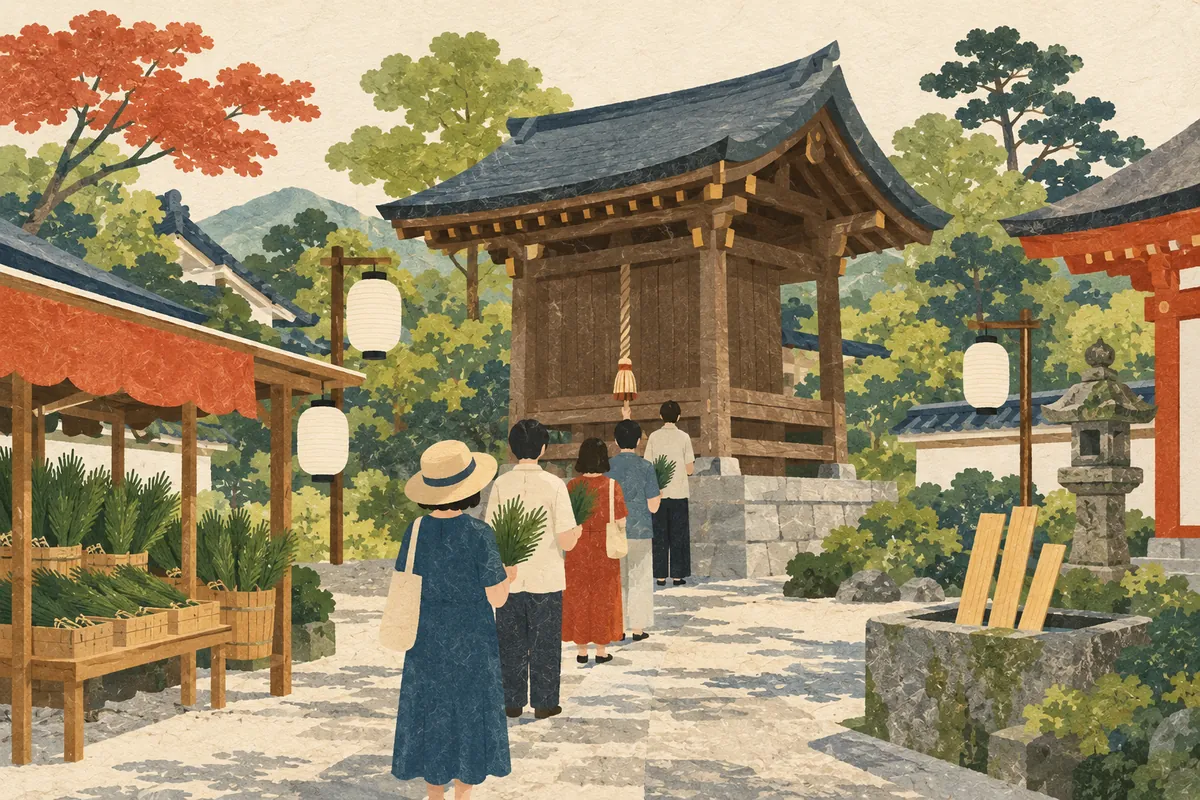
Rokudo Mairi
Rokudō Mairi (六道まいり) is a Kyoto event held before Obon, in which people visit Rokudō Chinnō-ji (六道珍皇寺) in Higashiyama Ward and ring the Mukae-gane (welcoming bell) to welcome the spirits of their ancestors, the oshōrai-san (お精霊さん); it is also called Shōrai-mukae. It usually runs for four days, August 7–10; in 2026 it was held from Friday, August 7, to Monday, August 10, from 6:00 a.m. to 10:00 p.m.
Read more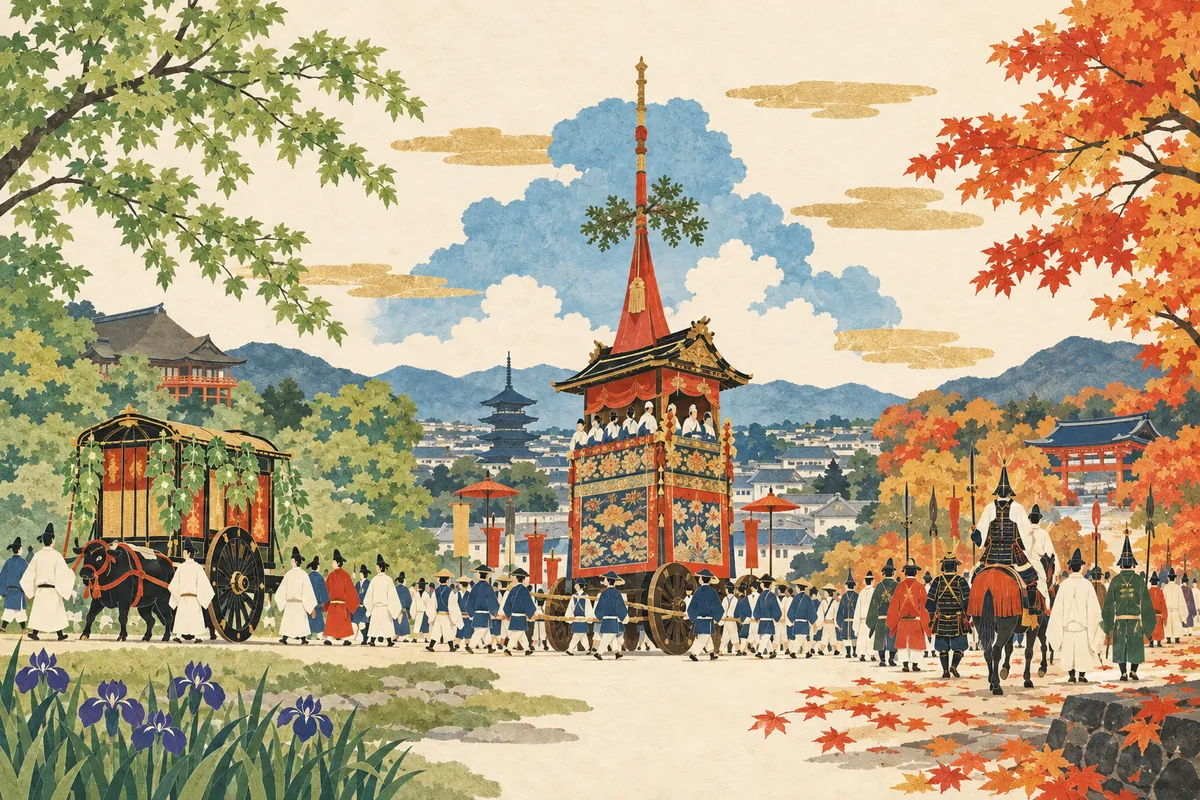
What Are Kyoto's Three Great Festivals?
Kyoto's Three Great Festivals are the Aoi Matsuri in spring, the Gion Matsuri in summer, and the Jidai Matsuri in autumn. The Aoi Matsuri belongs to Shimogamo and Kamigamo shrines, the Gion Matsuri to Yasaka Shrine, and the Jidai Matsuri to Heian Shrine, and they differ in both the era they began and their character. The Gozan Okuribi in August is also one of Kyoto's signature events, but as a Buddhist observance for sending off ancestral spirits, it is not counted among the Three Great Festivals.
Read more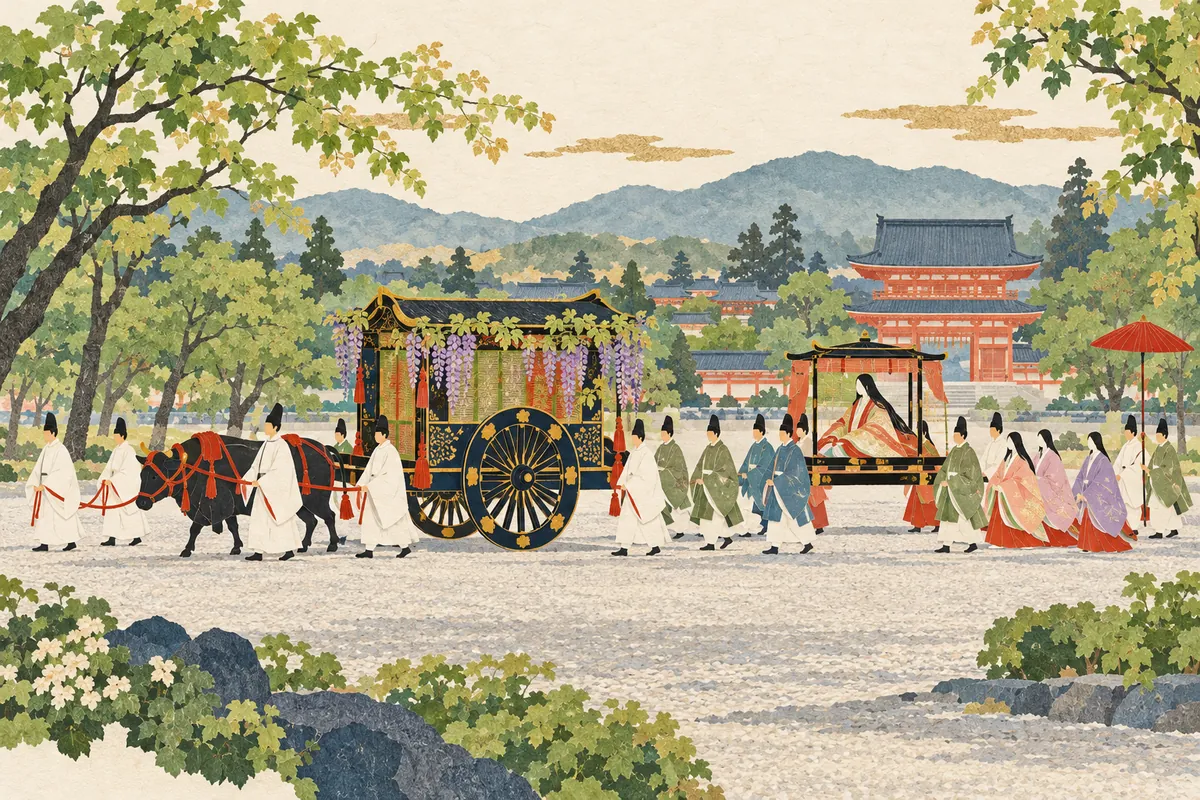
Aoi Matsuri: Costumes, Route, and the Origin of Its Name
The Aoi Matsuri (Aoi Festival), held every year on May 15, is one of Kyoto's three great festivals and was originally called the Kamo Matsuri (Kamo Festival). Its name is said to come from decorating the bamboo blinds (misu), ox carriages, and more with futaba-aoi (two-leaved wild ginger), and the Rotō no Gi procession in Heian-period costume leaves the Kyoto Imperial Palace and travels about 8 kilometers via Shimogamo Shrine to Kamigamo Shrine.
Read more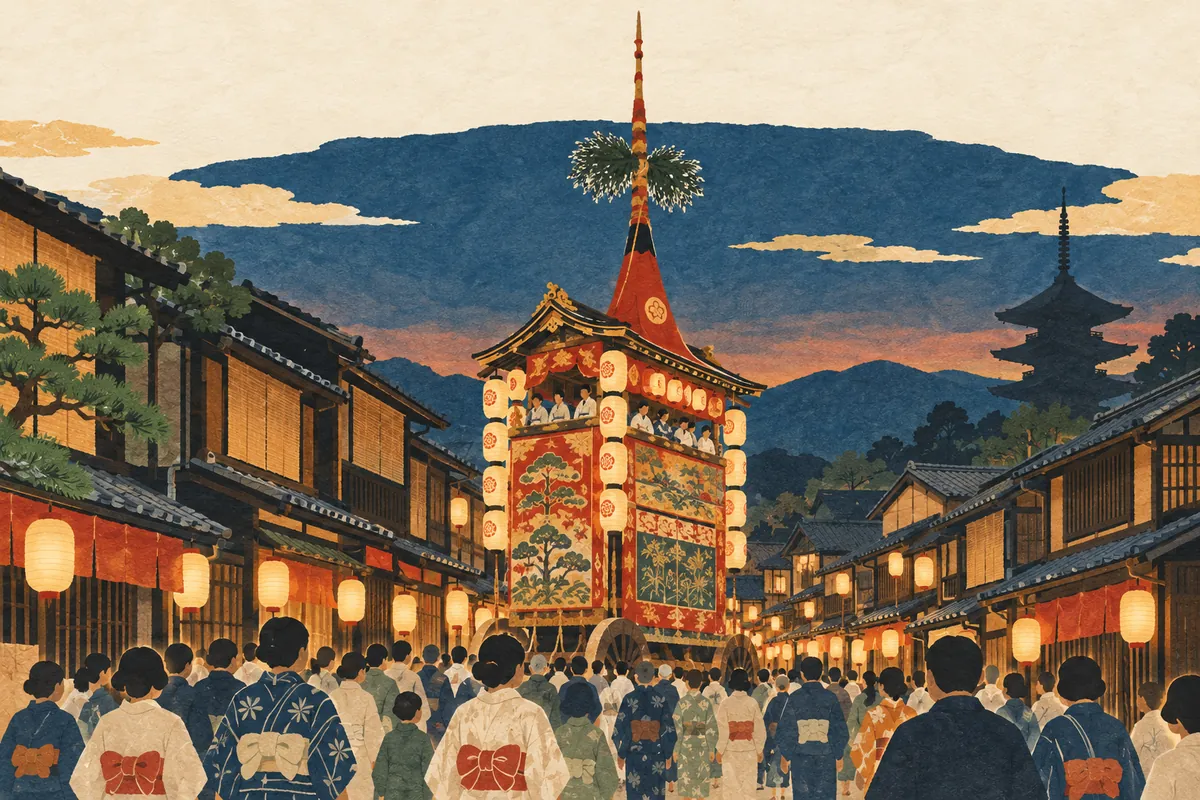
The Gion Festival's Month and Its Yamahoko Floats
The Gion Festival (Gion Matsuri) is the festival of Yasaka Shrine, with a wide variety of events continuing throughout the month of July. It began with prayers to drive away epidemics, and 34 yamahoko floats appear in the Yamahoko Junkō procession.
Read more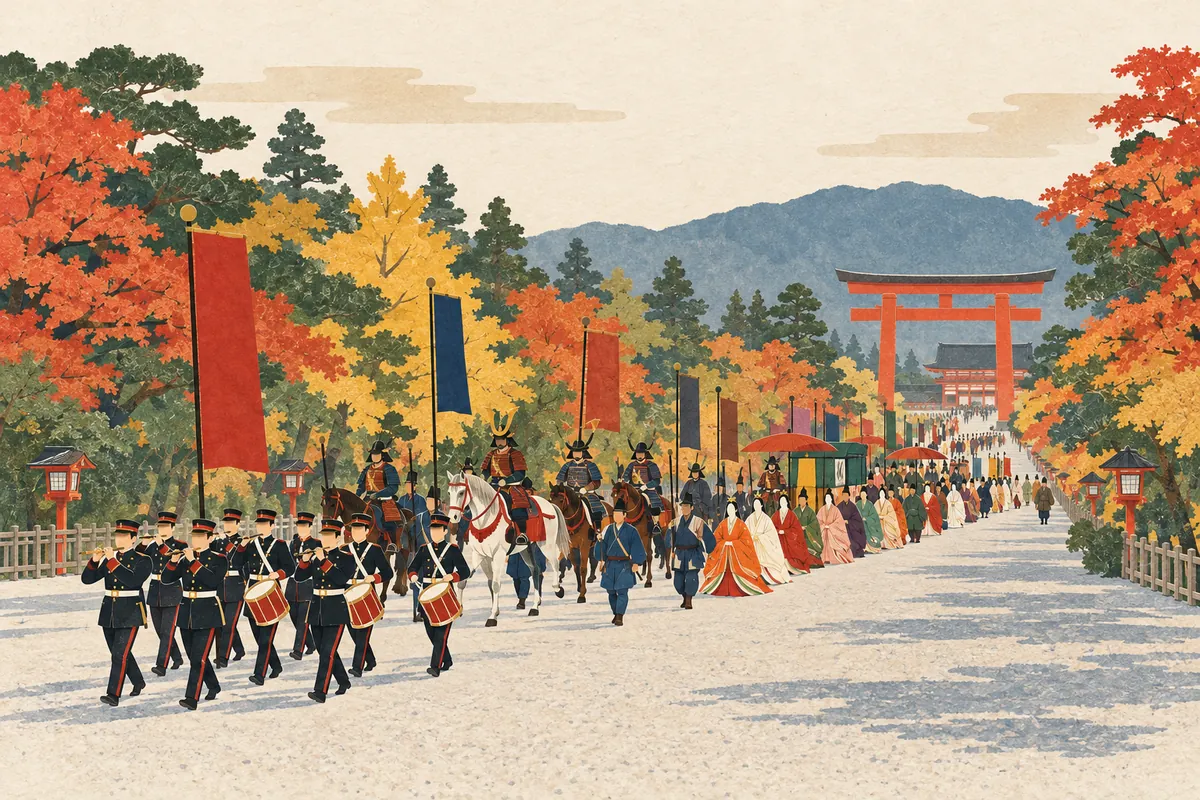
The Jidai Matsuri Procession: A Moving Picture Scroll of History
Jidai Matsuri is a procession held on October 22 in which about 2,000 people in the costumes of each era walk a line about 2 km long. Setting out from the Kyoto Imperial Palace and heading for Heian Shrine, it is known as a "moving picture scroll of history."
Read more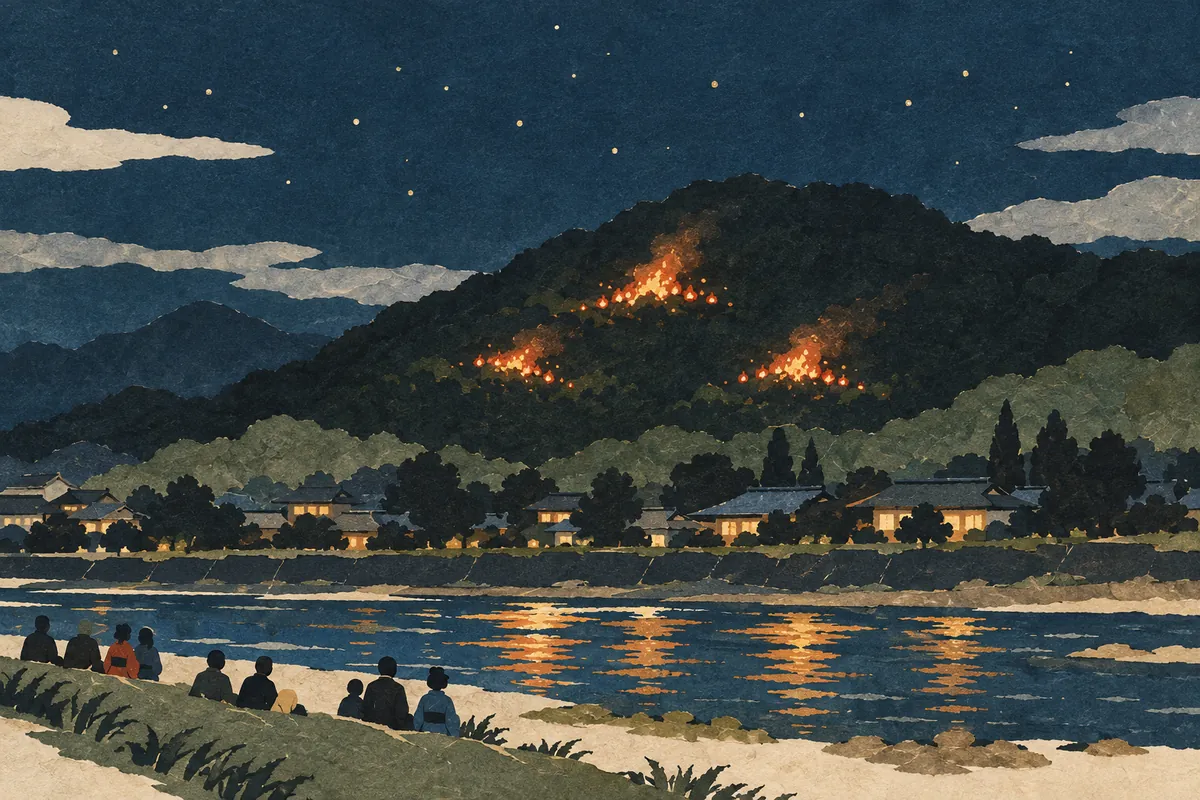
The Night of the Gozan no Okuribi
The Gozan no Okuribi (Five Mountain Send-off Fires) is an event on the night of August 16 in which five characters and shapes are lit in fire on the mountains surrounding Kyoto. It is handed down as a summer milestone in Kyoto, sending off the ancestral spirits (shōryō) welcomed home during Obon.
Read more