
What Are the Five Mountains of Kyoto? Nanzen-ji Ranked Above Them, Then Tenryū-ji, Shōkoku-ji, Kennin-ji, Tōfuku-ji, and Manju-ji
Other spellings and namesKyoto Gozan (京都五山) / Five Mountains of Kyoto / Gozan no Ue (五山之上) / Gozan Jissetsu (五山十刹) / Five Mountains of Kamakura
Key points
The ranking of 1386: Above the Five Mountains, Nanzen-ji; first, Tenryū-ji; second, Shōkoku-ji; third, Kennin-ji; fourth, Tōfuku-ji; fifth, Manju-ji
The Five Mountains of Kamakura are Kenchō-ji, Engaku-ji, Jufuku-ji, Jōchi-ji, and Jōmyō-ji; Kyoto and Kamakura each had their own first to fifth places
Nanzen-ji was raised above the Five Mountains in order to bring Shōkoku-ji, built by Ashikaga Yoshimitsu, into the Five Mountains
The Kyoto Gozan Okuribi on August 16 is an Obon event in which five send-off fires are lit on the mountains; it is separate from the Five Mountains of Zen temples
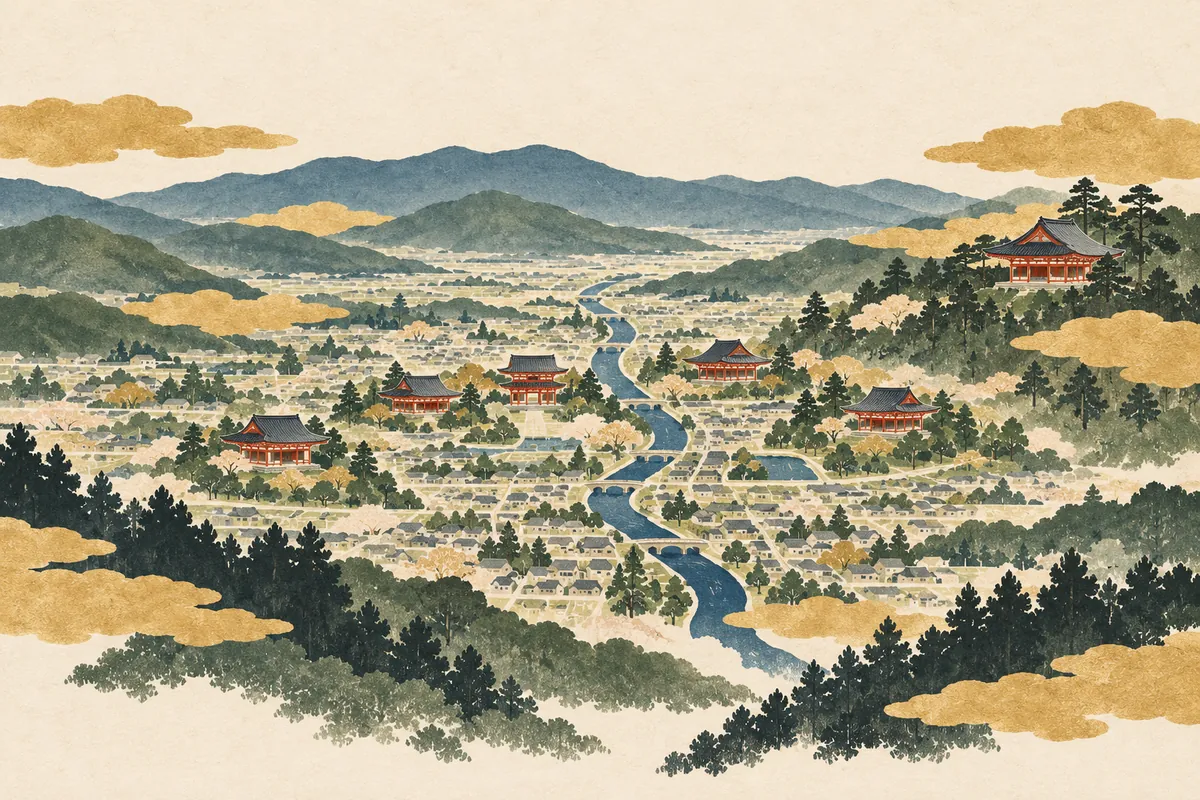
What is the Kyoto Gozan? A ranking of Zen temples modeled on a Chinese system
The Five Mountains (gozan) system began in China under the Southern Song, when the state designated as official temples the five highest-ranking Zen temples that it especially protected and administered, and Japan's Five Mountains followed this model. They were the highest rank of Zen temples, above the jissetsu (十刹, Ten Temples) and shozan (諸山, various temples), and their chief priests were in principle appointed by the shogunate.
There were the Five Mountains of Kyoto and the Five Mountains of Kamakura. In the ranking fixed in 1386 (Shitoku 3), Nanzen-ji was placed in a special class as "Gozan no Ue," and Tenryū-ji, Shōkoku-ji, Kennin-ji, Tōfuku-ji, and Manju-ji in Kyoto, and Kenchō-ji, Engaku-ji, Jufuku-ji, Jōchi-ji, and Jōmyō-ji in Kamakura, were each ranked from first to fifth.
The "Kyoto Gozan Okuribi" on the night of August 16 is an event in which five send-off fires, including the Daimonji in Higashiyama and the torii shape in Saga, send off the spirits of the dead at Obon. It is separate from the Five Mountains of Zen temples.
How did the ranking change? From the Kenmu era to 1386
The Five Mountains system is said to have begun at the end of the Kamakura period, when the large Zen temples of Kamakura were named the Five Mountains. However, it is not entirely clear which temples were among the Five Mountains at first.
Around the time of the Kenmu Restoration, after the fall of the Kamakura shogunate, Emperor Go-Daigo made Nanzen-ji first of the Five Mountains and placed Daitoku-ji on the same level. Kennin-ji and Tōfuku-ji also entered the Five Mountains around this time. The Muromachi shogunate later combined the temples of Kyoto and Kamakura and set the order as first, Kenchō-ji and Nanzen-ji; second, Engaku-ji and Tenryū-ji; third, Jufuku-ji; fourth, Kennin-ji; and fifth, Tōfuku-ji. This revision is said to date from either 1341 (Ryakuō 4) or 1342 (Kōei 1). Manju-ji is said to have joined the Five Mountains in 1358 (Enbun 3).
When Ashikaga Yoshimitsu, the third shogun, began building Shōkoku-ji next to the east side of the Hana no Gosho in 1382 (Eitoku 2), he sought to bring it into the Five Mountains. Taking the advice of Gidō Shūshin (義堂周信), in 1386 he raised Nanzen-ji above the Five Mountains and rearranged the Five Mountains of Kyoto and of Kamakura each from first to fifth place. This ranking became the standard for the Five Mountains afterward. The halls of Shōkoku-ji were completed six years later, in 1392 (Meitoku 3).
The six temples today: rank, location, and opening to visitors
Nanzen-ji, Tenryū-ji, Shōkoku-ji, Kennin-ji, and Tōfuku-ji are today each the head temple of a Rinzai branch named after the temple. Within Kyoto City, only Tenryū-ji is in the west, in Saga-Arashiyama; Shōkoku-ji is north of the Kyoto Imperial Palace, and Nanzen-ji, Kennin-ji, Tōfuku-ji, and Manju-ji are east of the Kamo River.
The ranking of the Kyoto Gozan and the six temples today
| Rank (1386) | Temple | Location | Beginnings | Opening today |
|---|---|---|---|---|
| Above the Five Mountains | Nanzen-ji | Nanzenji Fukuchi-chō, Sakyō Ward | 1291 (Shōō 4) | Hōjō Garden, Sanmon, and Nanzen-in charged (Hōjō Garden and Sanmon: 600 yen general, 400 yen for elementary and junior high school students) |
| First | Tenryū-ji | Saga Tenryūji Susukinobaba-chō, Ukyō Ward | 1339 (Ryakuō 2) | Garden charged (500 yen for high school students and older, 300 yen for elementary and junior high school students, free for preschoolers) |
| Second | Shōkoku-ji | Imadegawa-dōri Karasuma higashi-iru, Kamigyō Ward | Construction began in 1382 (Eitoku 2) and was completed in 1392 (Meitoku 3) | Hattō, Hōjō, and Kaisandō only during special viewings (autumn 2026: September 26 – December 15, 1,000 yen for adults) |
| Third | Kennin-ji | Komatsu-chō, Yamatoōji-dōri Shijō-sagaru, Higashiyama Ward | 1202 (Ken'nin 2) | Charged (800 yen general, 500 yen for elementary, junior high, and high school students; 1,000 yen general from January 1, 2027) |
| Fourth | Tōfuku-ji | Honmachi 15-chōme, Higashiyama Ward | Built from 1236 (Katei 2) | Tsūtenkyō and Kaisandō, and the Honbō Garden, charged |
| Fifth | Manju-ji | Higashiyama Ward (north of Tōfuku-ji) | Grew out of the Rokujō Midō of 1097 (Eichō 2) | A subtemple of Tōfuku-ji. Check with the temple whether it is open |
Manju-ji today: from the Rokujō Midō to north of Tōfuku-ji
Manju-ji began as the Rokujō Midō, created in 1097 (Eichō 2) when Cloistered Emperor Shirakawa turned the Rokujō Palace, the residence of his late daughter Ikuhōmon-in (郁芳門院), into a temple to pray for her. In the Shōka era (1257–1259), a monk who was a devoted follower of Enni (円爾, Shōichi Kokushi) of Tōfuku-ji made it a Zen temple, and it was renamed Manju Zenji.
Its original site is in today's Shimogyō Ward, between Rokujō Ōji and Rokujō Bōmon Kōji and between Higashinotōin Ōji and Takakura Kōji in Heian-kyō, and excavations have found the remains of the garden pond of Manju Zenji. It was rebuilt after burning in the great fire of 1434 (Eikyō 6), but in 1591 (Tenshō 19) it moved to the north side of Tōfuku-ji.
Today's Manju-ji is on the east side of Tōfukuji Station (JR and Keihan) and is one of the subtemples of Tōfuku-ji. The Aizendō (designated name: Sanshō-ji Aizendō), an Important Cultural Property in the grounds of Tōfuku-ji, is said to have been moved from Manju-ji in 1937 (Shōwa 12).
Gozan literature and Gozan editions: culture spread by Zen monks
The Zen monks of the Five Mountains also advised the shogunate on matters of culture and diplomacy. In their hands, Gozan literature (Gozan bungaku), poetry and prose written in classical Chinese, reached its height, and it later prepared the ground for the growth of Confucian learning in the Edo period. The temples were also active in printing, and the books they produced are called Gozan editions (Gozan-ban).
Where can you see them now? Getting to the six temples
Tenryū-ji is in Saga-Arashiyama, far to the west of the other five temples. Keihan Gion-Shijō Station, the nearest station to Kennin-ji, and Tōfukuji Station are about 5 minutes apart on the Keihan Main Line, so you can visit Kennin-ji and Tōfuku-ji with Manju-ji on the same day.
Locations of the Six Temples of the Kyoto Gozan
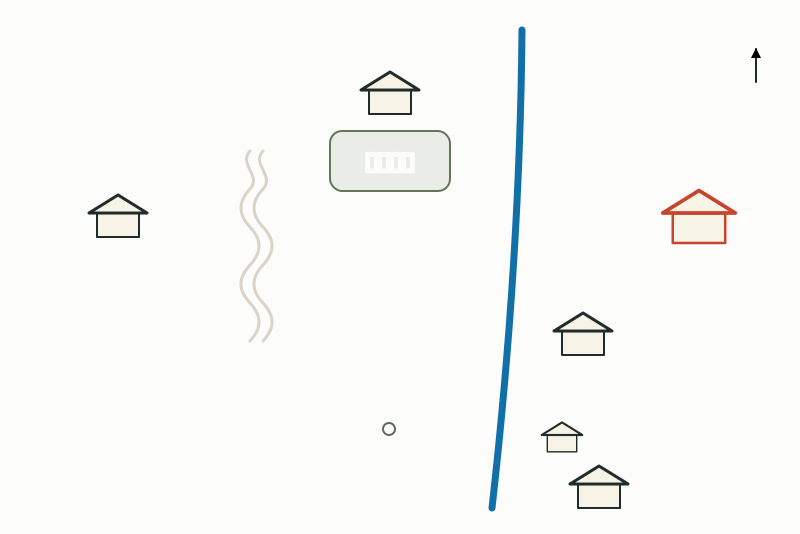
- Nanzen-ji: 10 minutes on foot from Keage Station on the Tōzai subway line
- Tenryū-ji: in front of Randen Arashiyama Station. 13 minutes on foot from JR Saga-Arashiyama Station and 15 minutes from Hankyu Arashiyama Station
- Shōkoku-ji: get off at Imadegawa Station on the Karasuma subway line and go north along the street in front of the Imadegawa Gomon gate of the Kyoto Imperial Palace
- Kennin-ji: 7 minutes on foot from Keihan Gion-Shijō Station
- Tōfuku-ji and Manju-ji: about 10 minutes on foot from Tōfukuji Station on the JR Nara Line and Keihan Main Line to Tōfuku-ji
Mini quiz for this entry
Manju-ji, fifth of the Five Mountains of Kyoto, grew out of what, which Cloistered Emperor Shirakawa turned into a temple to pray for his daughter?
Sources and verification
Content checked: October 29, 2026
Updated: October 29, 2026
References are in Japanese.
- コトバンク「京都五山」(改訂新版 世界大百科事典、日本大百科全書、山川 日本史小辞典ほか)
- コトバンク「五山」(日本大百科全書、精選版 日本国語大辞典、山川 日本史小辞典ほか)
- コトバンク「万寿寺」(日本大百科全書、精選版 日本国語大辞典、山川 日本史小辞典ほか)
- 国立新美術館 アートコモンズ「京都五山 禅の文化展」(九州国立博物館、2008年)
- 京都市埋蔵文化財研究所「平安京左京六条四坊三町(旧万寿禅寺)跡 現地説明会資料」(2007年2月3日)
- 南禅寺「南禅寺の歴史」
- 南禅寺「拝観のご案内」
- 南禅寺「アクセス」
- 天龍寺「天龍寺について」
- 天龍寺「参拝・交通案内」
- 相国寺「相国寺について」
- 相国寺「アクセス」
- 相国寺「相国寺 秋の特別拝観のご案内」(2026年)
- 大本山 建仁寺「建仁寺を知る」
- 大本山 建仁寺「アクセス」
- 大本山 建仁寺「[重要] 拝観料改定のお知らせ」
- 東福寺「縁起」
- 東福寺「拝観案内」
- 東福寺「アクセス」
- 文化庁「国指定文化財等データベース 三聖寺愛染堂」
- 京都市観光協会 京都観光Navi「京都五山送り火」
- コトバンク「五山十刹」(日本大百科全書)